Loading News...
Loading...

Loading News...
VADODARA, April 13, 2026. The following report is based on currently available verified source material and market data.
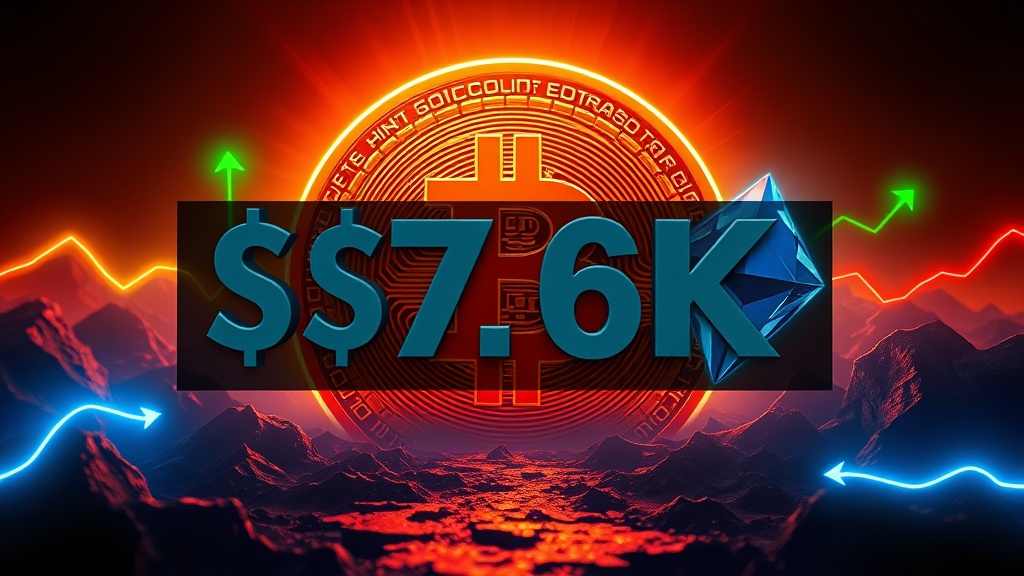
Bitcoin Dips to $70.6K as US Hormuz Blockade Sparks Oil Surge, Testing Crypto's Safe-Haven Narrative developed into a market-moving story within the reported window. The initial source indicates immediate relevance for crypto sentiment, while fuller validation is still tied to cited datasets and official statements.
The immediate market reaction to the US announcement included a 1.9% Bitcoin drop to $71,686, followed by a further decline to $70,623 as US futures markets opened. Oil prices spiked 9.5% to $105 per barrel within half an hour. At the time of writing, Bitcoin's price was $71,080 with a 24-hour trend of -1.18%, according to CoinGecko data, while global crypto sentiment registered "Extreme Fear" with a score of 12/100. The Strait of Hormuz handles one-fifth of global oil trade, making this disruption significant for financial markets.
| Metric | Value | Source |
|---|---|---|
| Bitcoin Low | $70,623 | Source: public statement |
| Oil Price Surge | 9.5% to $105/barrel | Source: public statement |
| Current Bitcoin Price | $71,080 | Source: CoinGecko |
| 24h Bitcoin Trend | -1.18% | Source: CoinGecko |
| Global Crypto Sentiment | Extreme Fear (12/100) | Source: CoinGecko |
Why now? The timing is critical as Bitcoin had risen approximately 7.4% since the US-Iran conflict began on February 28, 2026, outperforming traditional assets like the S&P 500 and gold. This dip challenges the narrative of Bitcoin as a consistent safe haven during geopolitical stress, occurring amid already elevated oil market volatility, the highest since Russia's 2022 invasion of Ukraine.
Who benefits? Short-term traders may capitalize on volatility swings, while long-term holders face uncertainty. Oil markets and related traditional commodities gain from supply disruption fears, whereas crypto investors reassess risk exposure. Institutions monitoring correlation patterns between crypto and macro events adjust strategies accordingly.
Time horizons: Short-term (days/weeks): Increased volatility and potential further declines if geopolitical tensions escalate. Long-term (months/years): Bitcoin's role as a hedge may be reaffirmed or reevaluated based on cumulative performance through the crisis.
Causal chain: US blockade announcement → oil supply disruption fears → oil price spike → traditional market risk-off sentiment → Bitcoin sell-off as some investors liquidate for liquidity or hedge repositioning → amplified by thin weekend liquidity and futures market opening.
The market mechanism operates through interconnected liquidity and sentiment channels. The Strait of Hormuz blockade threatens global oil supply, immediately impacting energy markets. Consequently, traders anticipate broader economic instability, leading to a risk-off shift where capital moves from perceived risky assets like Bitcoin to traditional havens or cash. Underlying this trend, the futures market opening amplified selling pressure due to algorithmic trading and margin calls, exacerbating Bitcoin's decline. This demonstrates how geopolitical events can trigger cascading effects across asset classes through sentiment-driven liquidity flows.
Near-term, traders should monitor oil price stability and any diplomatic developments for clues on Bitcoin's direction. If the blockade persists, Bitcoin may face continued pressure until clear safe-haven demand emerges. Practically, this event the importance of diversifying across uncorrelated assets during geopolitical crises, as even Bitcoin can exhibit short-term vulnerability to macro shocks.
The US-Iran dispute over the Strait of Hormuz has caused significant financial market disruption over the past six weeks, with oil experiencing its highest volatility since early 2022. Bitcoin had previously shown resilience, rising from conflict onset despite traditional market wobbles, but this recent dip introduces complexity to its hedge narrative.
Cross-market reactions include heightened volatility in energy sectors and potential spillovers into other cryptocurrencies. The event coincides with broader crypto market movements, as seen in divergent performance among top gainers, and institutional shifts like Nexon's portfolio adjustments. Additionally, regulatory advancements such as South Korea's digital currency insurance task force may influence long-term stability perceptions.
Bitcoin's dip to $70.6K amid the US Hormuz blockade reveals its sensitivity to acute geopolitical escalations, challenging simplistic safe-haven assumptions. While it has outperformed traditional assets over the conflict period, short-term volatility the need for nuanced risk assessment in crypto portfolios during international crises.
Q1: Why did Bitcoin fall after the US blockade announcement?Bitcoin fell due to risk-off sentiment triggered by oil supply fears, leading to sell-offs amid thin liquidity and futures market amplification.
Q2: How does this affect Bitcoin's safe-haven status?It tests the narrative, showing short-term vulnerability but not invalidating longer-term hedge potential, as Bitcoin is still up 7.4% since the conflict began.
Q3: What is the Strait of Hormuz's importance?It handles one-fifth of global oil trade, so blockades cause significant energy market disruptions and broader financial volatility.
Q4: What are key metrics to watch now?Monitor oil prices, Bitcoin liquidity levels, and geopolitical developments for signs of escalation or de-escalation.
Q5: How does this compare to past crises?Oil volatility is at its highest since Russia's 2022 Ukraine invasion, but Bitcoin's reaction is more muted than in some prior geopolitical events.
Q6: What should traders do next?Assess risk exposure, watch for sentiment shifts from "Extreme Fear," and consider diversification strategies amid ongoing uncertainty.
Analysts are closely watching oil price stability and any US-Iran diplomatic movements for signals on Bitcoin's next directional move.
Evidence & Sources
Primary source: https://cointelegraph.com/news/bitcoin-falls-oil-rises-us-to-block-strait-of-hormuz
Updated at: Apr 13, 2026, 04:46 AM
Data window: Apr 13, 2026, 03:48 AM → Apr 13, 2026, 04:45 AM
Evidence stats: 9 metrics, 0 timeline points.
Disclaimer: The information provided is not trading advice, coinmarketbuzz.com holds no liability for any investments made based on the information provided on this page. We strongly recommend independent research and/or consultation with a qualified professional before making any investment decisions.
All published reports are reviewed by our editorial team for factual consistency, neutrality, and reader clarity.