Loading News...
Loading...

Loading News...
VADODARA, April 2, 2026. The following report is based on currently available verified source material and market data.
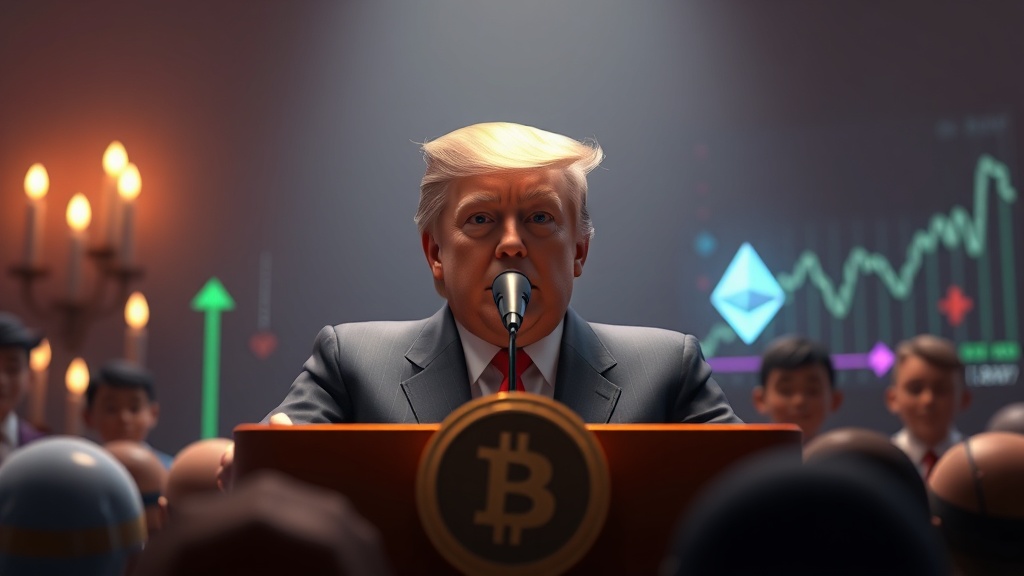
On April 2, 2026, cryptocurrency prices declined alongside global risk assets following public remarks by Donald Trump referencing continued conflict involving Iran, which pushed oil prices above $103. This matters because rising energy prices increase inflation risks, potentially delaying interest rate cuts and reducing market liquidity, pressuring assets like Bitcoin and Ethereum. The immediate market impact includes Bitcoin trading near $67,300, down about 0.6%, with broader crypto weakness aligning with geopolitical tensions and macroeconomic uncertainty.
Concrete metrics from the event show oil prices rose more than six percent to above $103, based on market data, amid concerns around the Strait of Hormuz. Bitcoin traded near $67,300, down about 0.6%, while Ethereum remained close to $2,098, according to aggregated market pricing data. Additional data from CoinGecko indicates Bitcoin's current price at $66,745 with a 24-hour trend of -2.66%, and global crypto sentiment at "Extreme Fear" with a score of 12/100. Source: public statement, Source: CoinGecko.
| Metric | Value | Source |
|---|---|---|
| Oil Price | $103+ | Market data |
| Bitcoin Price | $67,300 | Aggregated pricing |
| Ethereum Price | $2,098 | Aggregated pricing |
| Bitcoin 24h Trend | -2.66% | CoinGecko |
| Crypto Sentiment | Extreme Fear (12/100) | CoinGecko |
Why now? The significance stems from the current market cycle where cryptocurrencies remain sensitive to macroeconomic shifts, particularly inflation expectations and geopolitical risks. Similar to the 2021 correction triggered by regulatory and macro fears, this event highlights crypto's vulnerability to external shocks during periods of high valuation and sentiment extremes. Who benefits? Short-term bears and volatility traders may gain from downward momentum, while long-term holders face pressure; institutions monitoring inflation data could adjust portfolios accordingly. Time horizons: Short-term impact includes immediate price declines and increased volatility over days/weeks, while longer-term implications involve potential sustained inflation concerns affecting rate cut timelines and liquidity conditions for months. Causal chain: Trump's speech → heightened Iran conflict fears → oil price surge above $103 → increased inflation risks → delayed rate cut expectations → reduced market liquidity → selling pressure on risk assets like cryptocurrencies → Bitcoin and Ethereum price declines.
The underlying mechanism works through interconnected market channels: geopolitical tensions directly impact energy markets, as the Strait of Hormuz is a major corridor for global oil shipments. Higher oil prices mechanically increase production and transportation costs, feeding into broader inflation metrics. Central banks, particularly the Federal Reserve, then face pressure to maintain or raise interest rates to combat inflation, which reduces liquidity in financial systems. Cryptocurrencies, as higher-risk assets, experience selling pressure as investors reallocate to safer havens or reduce leverage amid uncertainty. This is evidenced by the Nasdaq falling 1.40% and the volatility index (VIX) moving higher, indicating broader risk aversion.
This event mirrors historical patterns where crypto markets react sharply to macro developments, akin to the 2022 downturn driven by Fed rate hikes and geopolitical events like the Ukraine conflict. Adjacent developments include:
The bearish scenario includes several uncertainties and failure conditions:
Practical near-term implications include increased monitoring of oil price trends and central bank communications for rate cut signals. Traders may focus on key support levels, such as Bitcoin's $65,700 and Ethereum's $2,010, with volatility likely to persist until geopolitical clarity emerges. Institutional investors might reassess crypto allocations based on inflation durability, while retail sentiment could remain in "Extreme Fear" until macroeconomic indicators stabilize.
Historically, cryptocurrencies have shown heightened sensitivity to macroeconomic factors since the 2020-2021 bull run, with events like the 2022 Terra collapse and FTX bankruptcy underscoring vulnerability to liquidity shocks. The current context involves a market recovering from previous corrections but facing persistent inflation and geopolitical risks, similar to patterns observed in traditional finance during crisis periods.
Cross-market reactions include equity declines and volatility spikes, with specific crypto-related developments such as the CFTC chair calling the financial system outdated and backing blockchain amid market fear. Additionally, geopolitical narratives around the Strait of Hormuz have intersected with crypto, as seen in reports of Iran demanding crypto or yuan for safe passage, though direct impact details are not provided in source data.
Key takeaways include the direct link between geopolitical rhetoric, oil prices, and crypto market weakness, highlighting the asset class's ongoing integration with macro drivers. The event the importance of monitoring inflation and rate expectations for near-term price action, with sentiment extremes offering potential contrarian signals.
What to watch next: Crypto prices today declined alongside global risk assets as rising oil prices and geopolitical tensions affected investor sentiment.; What did Trump say Today?.
Evidence & Sources
Primary source: https://coinpedia.org/news/trump-speech-triggers-crypto-sell-off-as-oil-prices-jump
Updated at: Apr 02, 2026, 10:17 AM
Data window: Apr 02, 2026, 09:48 AM → Apr 02, 2026, 10:13 AM
Evidence stats: 9 metrics, 2 timeline points.
Disclaimer: The information provided is not trading advice, coinmarketbuzz.com holds no liability for any investments made based on the information provided on this page. We strongly recommend independent research and/or consultation with a qualified professional before making any investment decisions.
All published reports are reviewed by our editorial team for factual consistency, neutrality, and reader clarity.