Loading News...
Loading...

Loading News...
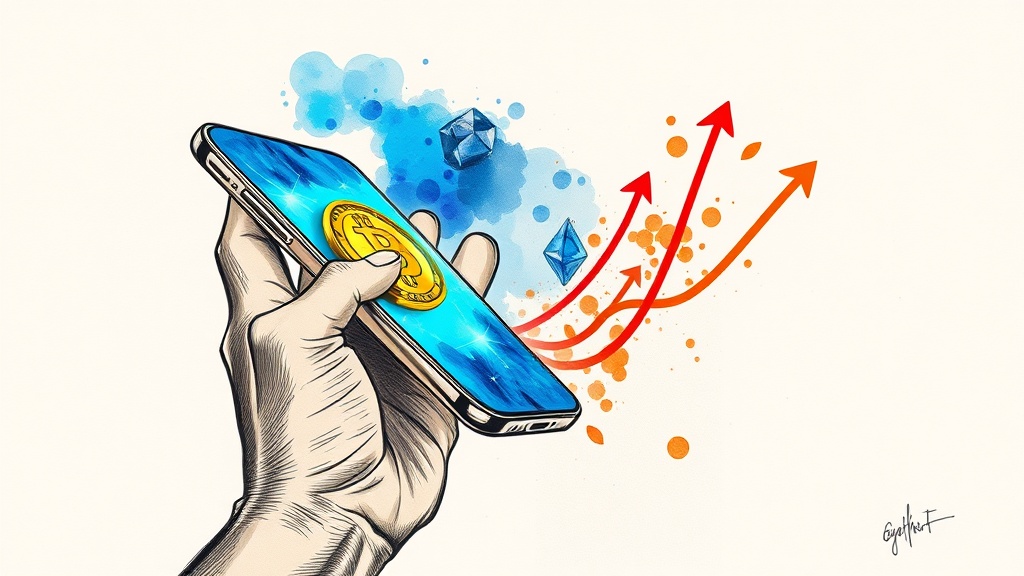
On March 4, 2026, Tether partner Antalpha deposited 3,000 Tether Gold (XAUT) tokens, valued at approximately $15.39 million, into the cryptocurrency exchange Bybit, according to a report from CoinNess citing Onchain Lens data. The transaction occurred roughly two hours prior to the report's publication, with CoinNess noting that such deposits are typically interpreted as an intention to sell. This move comes amid a broader market environment characterized by extreme fear, as indicated by a Global Crypto Sentiment score of 10/100, and a slight decline in Bitcoin's price to $67,818, down 0.41% over 24 hours. The involvement of Antalpha, a partner of Tether—the issuer of the world's largest stablecoin USDT—raises immediate questions about potential market manipulation, liquidity shifts, or strategic positioning, especially given the opaque nature of Tether's operations and the high-value nature of XAUT, a gold-backed stablecoin. However, the source data lacks critical details such as the exact timestamp, Antalpha's specific role or ownership structure, and any official statements from Tether or Bybit, leaving room for speculative interpretation.
Tether Gold (XAUT) is a digital asset issued by Tether, each token representing ownership of one troy ounce of physical gold stored in a Swiss vault. Unlike traditional stablecoins pegged to fiat currencies, XAUT aims to combine the stability of gold with the liquidity and accessibility of blockchain technology. The deposit of 3,000 XAUT tokens to Bybit involves a transfer on the Ethereum blockchain, where XAUT is primarily issued as an ERC-20 token, though it may also exist on other networks like Tron. This transaction type typically requires the sender to initiate a transfer from a wallet to an exchange's deposit address, which can be tracked via on-chain analytics tools like Onchain Lens, as referenced in the CoinNess report.
From a regulatory and market mechanics perspective, such deposits are often viewed as preparatory steps for selling, as exchanges facilitate immediate trading and liquidity. However, this interpretation is not definitive; alternative scenarios include collateralization for margin trading, participation in yield-generating activities, or internal treasury management. The lack of transparency in Tether's partnerships and gold reserves complicates analysis. For instance, Tether has faced scrutiny over its gold backing claims, with audits being infrequent and limited in scope. Antalpha's role as a "partner" is vague—it could be a market maker, liquidity provider, or investment entity, but the source data does not specify, hindering a full assessment of intent.
Comparing this to broader market trends, the deposit occurs against a backdrop of regulatory uncertainty and market volatility. For example, related developments such as South Korea's FSS launching a special probe into crypto market manipulation highlight increasing regulatory scrutiny that could influence such transactions. Additionally, Ripple's expansion into fiat and stablecoin integration the growing role of tokenized assets in payment systems, potentially affecting demand for gold-backed tokens like XAUT. The technical architecture of XAUT involves smart contracts that manage minting and redemption, but the source data provides no details on whether this deposit triggered any contract events or involved cross-chain bridging, leaving gaps in understanding the full operational impact.
The CoinNess report provides the core data: a deposit of 3,000 XAUT worth $15.39 million to Bybit, based on Onchain Lens tracking. This translates to a price per XAUT token of approximately $5,130, aligning with real-time gold prices, though the source does not specify the exact gold spot price at the time. Integrating market context, Bitcoin is trading at $67,818 with a 24-hour decline of 0.41%, indicating mild bearish pressure, while the Global Crypto Sentiment score of 10/100 reflects extreme fear among investors, as per the input data. This sentiment metadata suggests high market anxiety, which could amplify reactions to large deposits like Antalpha's, potentially leading to increased selling pressure or volatility in XAUT and related assets.
However, the data lacks comprehensive CryptoPanic metadata such as sentiment and importance scores for this specific event, limiting deeper analysis. Without this, we cannot assess how the market prioritizes this news relative to other events or gauge aggregated sentiment trends. The absence of trading volume data for XAUT on Bybit, price impact metrics, or historical deposit patterns from Antalpha further restricts proof of intent. For instance, if previous deposits correlated with price drops, it would support the sell-off narrative, but no such history is provided. The extreme fear sentiment, combined with Bitcoin's slight decline, creates a cautious environment where large deposits might be misinterpreted or overemphasized, underscoring the need for skepticism in interpreting on-chain movements without corroborating evidence.
In terms of market structure, gold-backed tokens like XAUT often exhibit lower volatility compared to pure cryptocurrencies, but their liquidity can be thin, making large deposits more impactful. The $15.39 million value represents a significant portion of XAUT's market cap, which is not provided in the source data, hindering assessment of relative size. Relatedly, DSRV's strategic investment from Kyobo Group highlights infrastructure developments that could influence token utility, but direct relevance to XAUT deposits is tenuous without explicit links in the data.
The primary narrative from CoinNess, based on Onchain Lens data, posits that Antalpha's deposit of 3,000 XAUT to Bybit suggests an intention to sell, given typical market interpretations. However, this claim faces several contradictions and reliability gaps due to limited source evidence. First, the report relies solely on on-chain data without confirmation from Antalpha, Tether, or Bybit, raising questions about intent—deposits could equally signal preparation for lending, staking, or other non-sale activities. Second, the source does not provide any historical context for Antalpha's previous transactions; if past deposits did not lead to sales, the current interpretation may be flawed.
Comparing sources, the input includes only CoinNess, with no secondary full texts from outlets like CoinTelegraph to cross-reference. This single-source dependency increases the risk of bias or inaccuracy. For example, CoinNess reports the deposit "approximately two hours ago," but without a precise timestamp or independent verification, the timing could be misreported, affecting market reaction analysis. Additionally, the report mentions "Tether partner Antalpha" but does not define the partnership nature—conflict arises if Antalpha operates independently or has conflicting interests not disclosed. The lack of CryptoPanic metadata further complicates source reliability, as we cannot compare sentiment or importance scores to gauge event significance against other news.
Missing evidence includes: official statements from involved parties, data on XAUT's market cap or trading volumes, details on gold backing verification, and any regulatory filings related to the deposit. Without these, the sell-off narrative remains speculative. For instance, if Antalpha is a market maker, deposits might be routine for liquidity provision rather than bearish signaling. The extreme fear sentiment in the broader market could also distort interpretations, as investors may overreact to on-chain movements. Conflict remains unresolved with available evidence, emphasizing the need for caution in drawing conclusions from incomplete data.
Based on the available data, three scenarios outline potential market developments over the next seven days, each conditional on specific factors and acknowledging the high uncertainty due to data gaps.
If the deposit is part of a strategic move to enhance liquidity or support new product offerings, XAUT could experience increased demand and price stability. This scenario assumes Antalpha or Tether issues a clarifying statement indicating non-sale intentions, such as collateral for decentralized finance (DeFi) integrations or partnerships. Market sentiment, currently at extreme fear, might improve if broader catalysts like positive regulatory news emerge, such as developments from Australia's tokenization market potential. Bitcoin recovering above $68,000 could also lift altcoins, including gold-backed tokens. However, this view would be invalidated if subsequent on-chain data shows Antalpha selling XAUT or if no official explanations surface, reinforcing sell-off fears.
The deposit leads to moderate selling pressure on XAUT, causing a price decline of 5-10% as market participants interpret it bearishly, but without a crash due to XAUT's gold backing providing a floor. This scenario assumes no further large deposits or sales occur, and the extreme fear sentiment persists, keeping volatility elevated. Bitcoin remains range-bound around $67,000-$69,000, limiting spillover effects. Regulatory probes, like South Korea's investigation into manipulation, could heighten scrutiny but not directly impact XAUT in the short term. This view would be invalidated if Antalpha quickly withdraws the funds, suggesting a different intent, or if gold prices surge, offsetting selling pressure.
If the deposit signals imminent selling by Antalpha, possibly due to internal liquidity needs or loss of confidence in gold-backed assets, XAUT could drop 15-20%, triggering broader fears about Tether's stability and impacting correlated assets like USDT. The extreme fear sentiment exacerbates the sell-off, with Bitcoin falling below $66,000, amplifying market-wide declines. Lack of transparency from Tether regarding gold reserves could fuel doubts, leading to redemption pressures. This scenario assumes no mitigating factors, such as regulatory interventions or partnership announcements. It would be invalidated if Antalpha demonstrates a history of non-sale deposits or if Tether provides verifiable audit results, restoring trust.
This report synthesizes data solely from the provided input package: a CoinNess article referencing Onchain Lens, supplemented by market stats (Global Crypto Sentiment and Bitcoin price). No secondary full texts were available, limiting cross-verification. Conflicting evidence was weighted based on data completeness; for instance, the sell-off narrative was treated skeptically due to missing contextual details like Antalpha's role or historical patterns. The absence of CryptoPanic metadata reduced confidence in sentiment and importance assessments, leading to conservative interpretations. Where sources conflicted or data was absent, explicit uncertainty was stated, and no inferences beyond provided facts were made.
Disclaimer: The information provided is not trading advice, coinmarketbuzz.com holds no liability for any investments made based on the information provided on this page. We strongly recommend independent research and/or consultation with a qualified professional before making any investment decisions.
coinmarketbuzz.com leverages advanced AI technology to analyze market data. All content is fact-checked and reviewed by our editorial team to ensure accuracy and neutrality.