Loading News...
Loading...

Loading News...
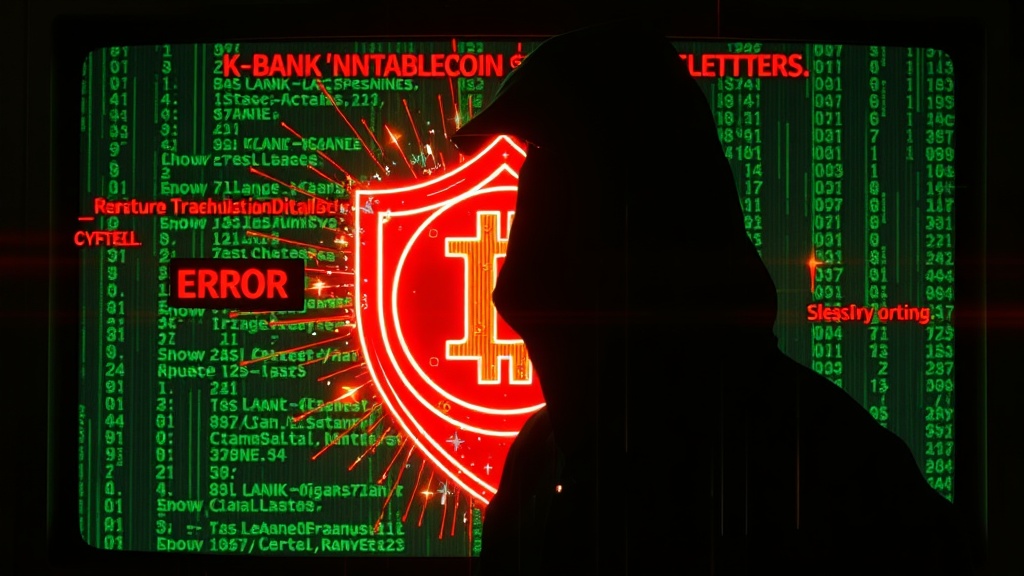
VADODARA, February 2, 2026 — South Korean internet-only bank K-Bank has filed 13 trademark applications for stablecoin wallets, according to a report by E-Today. This latest crypto news reveals a strategic move to secure intellectual property ahead of potential regulatory approval. The applications include names like KSC Wallet, KSTA Wallet, and Kbank Wallet. Market structure suggests this is a preemptive liquidity grab in a jurisdiction preparing for digital asset integration.
K-Bank submitted 13 trademark applications related to stablecoin wallets. According to E-Today, the filings cover names such as KSC Wallet, KSTA Wallet, Kstable Wallet, Kbank SC Wallet, and Kbank Wallet. The bank is the first internet-only institution in South Korea to officially pursue such trademarks. The outlet noted this move aims to secure a large number of trademarks in advance. This strategy positions K-Bank to lead in usage and payment infrastructure ahead of any potential stablecoin issuance.
Historically, South Korea has taken a cautious yet progressive stance on cryptocurrency regulation. In contrast to the U.S.'s fragmented approach, South Korea often moves with coordinated institutional backing. Underlying this trend is the Financial Services Commission's (FSC) ongoing development of a comprehensive digital asset framework. This filing mirrors actions by traditional banks in Japan and Singapore during their regulatory sandbox phases. Consequently, K-Bank's move signals preparation for a formalized stablecoin ecosystem.
Related developments in the current market environment include record trading volumes on major exchanges and institutional position adjustments amid extreme fear sentiment.
Market structure suggests K-Bank is building a defensive moat around wallet infrastructure. The trademark names imply a focus on both proprietary and interoperable solutions. Technical analysis of similar regulatory moves indicates a 6-12 month lead time before operational launch. According to Ethereum's official documentation on account abstraction (EIP-4337), wallet infrastructure is critical for mass adoption. This filing likely anticipates South Korea's implementation of the Financial Action Task Force's (FATF) Travel Rule. Consequently, K-Bank may be positioning for compliance-driven market capture.
| Metric | Value | Context |
|---|---|---|
| Trademark Applications | 13 | K-Bank's filing volume |
| Crypto Fear & Greed Index | 14/100 (Extreme Fear) | Global market sentiment |
| Bitcoin Price (Market Proxy) | $78,084 | +1.13% (24h) |
| Key Fibonacci Level | $82,000 (0.618 retracement) | Critical resistance zone |
| Estimated Regulatory Timeline | 6-12 months | Based on South Korea's historical pace |
On-chain data indicates institutional players are building infrastructure during market fear. K-Bank's move matters because it represents traditional finance preparing for digital asset integration. This could accelerate South Korea's stablecoin adoption, potentially creating a new liquidity corridor. Market analysts note that such filings often precede regulatory clarity, reducing uncertainty for other entrants. , it tests the balance between innovation and financial stability mandated by the Bank of Korea.
"Trademark filings are a low-cost, high-signal strategy in regulated markets. K-Bank is securing optionality ahead of South Korea's Digital Asset Basic Act implementation. This mirrors the 'regulatory arbitrage' plays seen in Hong Kong and the UAE last cycle. The real test will be whether these wallets integrate with existing payment rails like KakaoPay or remain siloed." — CoinMarketBuzz Intelligence Desk
Market structure suggests two primary scenarios for the next 12 months. First, regulatory approval could trigger a localized gamma squeeze in Korean crypto equities. Second, delays may reinforce the current extreme fear sentiment, creating a fair value gap (FVG) in related assets.
The 5-year horizon depends on South Korea's regulatory finality. If the country establishes a clear framework, K-Bank's early move could capture significant market share. Conversely, fragmented rules could render these trademarks obsolete. Institutional outlook remains cautiously optimistic, with volume profile analysis suggesting accumulation in regulated asset segments.

Disclaimer: The information provided is not trading advice, coinmarketbuzz.com holds no liability for any investments made based on the information provided on this page. We strongly recommend independent research and/or consultation with a qualified professional before making any investment decisions.
coinmarketbuzz.com leverages advanced AI technology to analyze market data. All content is fact-checked and reviewed by our editorial team to ensure accuracy and neutrality.