Loading News...
Loading...

Loading News...
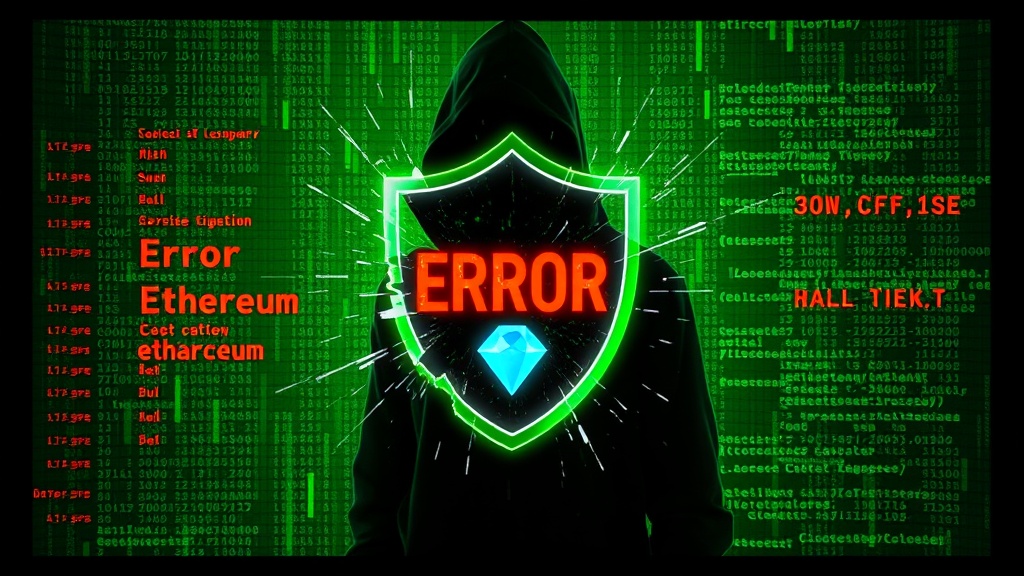
VADODARA, February 11, 2026 — Japan's Financial Services Agency (FSA) released a draft plan to mandate Cybersecurity Self-Assessments (CSSA) for all cryptocurrency exchanges. This latest crypto news targets rising global hack threats. The FSA will accept public comments until March 11. Implementation starts in the 2026 business year.
According to the official FSA draft, the agency identified key vulnerabilities. Cold wallet storage alone is insufficient. Theft of signing keys remains a primary risk. Indirect attacks like social engineering and third-party vendor infiltration are escalating. Coinpost reported the draft's release on February 10.
The CSSA framework requires all licensed exchange operators to conduct rigorous internal audits. These audits must assess defense-in-depth strategies. The FSA explicitly cited global exchange hack frequency as the catalyst. This move follows Japan's Financial Services Agency longstanding proactive regulatory stance.
Historically, Japan has led crypto regulation since the 2014 Mt. Gox collapse. The 2017 Coincheck hack further hardened its approach. In contrast, other jurisdictions like the EU lag in specific exchange cybersecurity mandates. This FSA action mirrors tightening global regulatory liquidity cycles.
Underlying this trend is a clear institutional pattern. Regulatory clarity often precedes capital inflows. However, initial compliance costs can pressure exchange margins. Consequently, market structure may see short-term volatility. Related developments include recent Bitcoin price action dropping below $68,000 amid similar regulatory pressures.
Market structure suggests regulatory news creates immediate sell-side pressure. Bitcoin currently trades at $67,394. This represents a 24-hour drop of 2.95%. The price sits near a critical Fibonacci 0.618 retracement level from the 2025 high.
On-chain data indicates weak holder conviction. A break below the 200-day simple moving average could trigger a cascade. The nearest major support forms a volume profile node at $65,000. Resistance clusters around the $70,000 psychological level. This creates a clear Fair Value Gap (FVG) for liquidity grabs.
| Metric | Value |
|---|---|
| Crypto Fear & Greed Index | 11/100 (Extreme Fear) |
| Bitcoin Current Price | $67,394 |
| Bitcoin 24h Change | -2.95% |
| FSA Comment Deadline | March 11, 2026 |
| CSSA Implementation | 2026 Business Year |
This regulatory shift matters for institutional adoption. Enhanced cybersecurity reduces custodial risk. That attracts pension funds and asset managers. Conversely, compliance costs may squeeze smaller exchanges. Market consolidation could follow.
Real-world evidence supports the FSA's concern. Global exchange hacks exceeded $3 billion in 2025. Social engineering attacks increased 40% year-over-year. The FSA's focus on third-party vendors addresses a critical attack vector. This impacts the entire crypto market structure.
Regulatory mandates like Japan's CSSA create short-term operational friction but long-term market resilience. Historical cycles show that post-regulation periods often see renewed institutional capital flows, though the immediate effect is typically a liquidity squeeze in risk assets.
— CoinMarketBuzz Intelligence Desk
Two data-backed technical scenarios emerge from this regulatory news.
The 12-month institutional outlook hinges on global regulatory harmonization. Japan's move could pressure the US SEC and EU's MiCA to adopt similar standards. That creates a 5-year horizon of increased compliance but reduced systemic risk. Consequently, Bitcoin's network security via hash rate remains a critical parallel metric.

Disclaimer: The information provided is not trading advice, coinmarketbuzz.com holds no liability for any investments made based on the information provided on this page. We strongly recommend independent research and/or consultation with a qualified professional before making any investment decisions.
coinmarketbuzz.com leverages advanced AI technology to analyze market data. All content is fact-checked and reviewed by our editorial team to ensure accuracy and neutrality.