Loading News...
Loading...

Loading News...


Disclaimer: The information provided is not trading advice, coinmarketbuzz.com holds no liability for any investments made based on the information provided on this page. We strongly recommend independent research and/or consultation with a qualified professional before making any investment decisions.
coinmarketbuzz.com leverages advanced AI technology to analyze market data. All content is fact-checked and reviewed by our editorial team to ensure accuracy and neutrality.
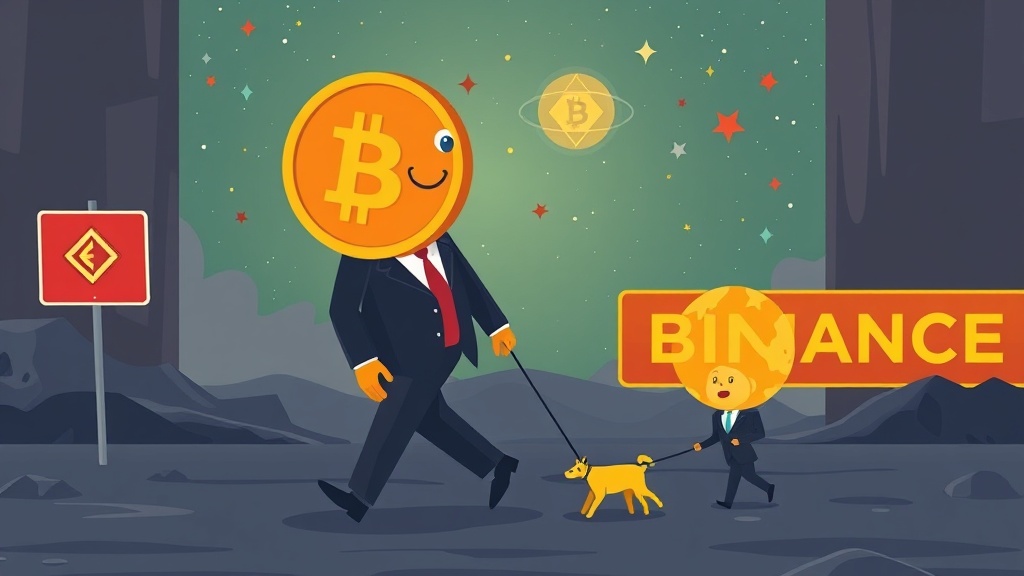
VADODARA, February 11, 2026 — Lee Jun-haeng, founder and former CEO of South Korean crypto exchange Gopax, has publicly demanded Binance release a concrete repayment plan for its GoFi service. In a post on X, Lee urged immediate compensation for users, challenging Binance's narrative and citing blockchain evidence. This latest crypto news exposes deep fractures in Binance's post-acquisition strategy, with Lee accusing the exchange of making false claims about legal responsibilities and repayment feasibility.
Lee Jun-haeng resigned as part of Binance's acquisition of Gopax in February 2023. According to his X post, he now calls for Binance to fulfill its legal obligation to repay GoFi users before discussing business expansions like adjusting shareholder stakes. Lee refuted Binance's May 2023 claim that it had no legal responsibility for GoFi repayments. He also dismissed the exchange's September 2024 assertion that rising crypto prices made full repayment difficult.
, Lee countered Binance's October statement that the matter depended on South Korean authorities' judgment. He noted that South Korea's Financial Intelligence Unit (FIU) confirmed no additional procedures are necessary for victim payments. Lee highlighted that a lawsuit filed against him by a Binance subsidiary was dismissed. He emphasized that Binance's claim about costly foreign exchange for the first repayment was false, as transactions are recorded on the blockchain.
Late last month, Binance stated its intention to complete GoFi repayments this year and aim for top market share in South Korea. Market structure suggests this timeline conflicts with Lee's demand for immediate action. On-chain data indicates unresolved liabilities could pressure Binance's operational liquidity.
Historically, crypto exchange acquisitions often face integration challenges and legacy liability disputes. The Gopax-Binance case mirrors past incidents where acquired entities' user funds became contentious. In contrast, successful integrations typically involve transparent repayment plans and regulatory alignment.
Underlying this trend is South Korea's stringent regulatory environment. The FIU's confirmation of no extra procedures a regulatory expectation for swift resolution. This situation occurs amid broader market stress, as seen in recent liquidity events. For instance, the minting of 250 million USDC reflects institutional maneuvers during extreme fear.
Related developments include Binance's collateral deal with Franklin Templeton, signaling liquidity management strategies. Additionally, Status Network's FIRM stablecoin launch on Ethereum highlights innovation amid volatility.
Market structure suggests BNB's price action reflects broader sentiment shifts. Currently at $595.3, BNB shows a 24-hour decline of -5.95%. Technical analysis reveals a critical support level at the Fibonacci 0.618 retracement near $580. A break below this level would indicate a bearish invalidation of the current consolidation phase.
Volume profile data shows increased selling pressure, correlating with the Extreme Fear sentiment score of 11/100. The RSI (Relative Strength Index) sits near oversold territory, suggesting potential for a short-term bounce. However, order block analysis indicates resistance around $620, a level that must be breached for bullish momentum to resume. According to Ethereum's official documentation on blockchain transparency, immutable transaction records support Lee's claims about foreign exchange costs.
| Metric | Value | Insight |
|---|---|---|
| Crypto Fear & Greed Index | 11/100 (Extreme Fear) | Indicates high market anxiety and potential capitulation. |
| BNB Current Price | $595.3 | Down 5.95% in 24h, testing key Fibonacci support. |
| BNB Market Rank | #5 | Maintains top-tier status despite regulatory headwinds. |
| GoFi Repayment Timeline | Binance aims for 2026 completion | Contrasts with Lee's demand for immediate action. |
| Acquisition Date (Gopax) | February 2023 | Over 3 years since acquisition, disputes unresolved. |
This dispute matters because it highlights systemic risks in crypto exchange mergers. Institutional liquidity cycles depend on trust and regulatory compliance. Binance's failure to resolve GoFi liabilities could deter future acquisitions and erode market confidence. Retail market structure is also impacted, as user fund security remains a paramount concern.
Real-world evidence includes the dismissed lawsuit against Lee, suggesting legal vulnerabilities in Binance's position. The FIU's stance reduces bureaucratic hurdles, emphasizing the need for swift action. Consequently, this case sets a precedent for how acquired exchange liabilities are handled globally.
Market analysts note that blockchain's transparency undermines Binance's foreign exchange cost claims. The CoinMarketBuzz Intelligence Desk states, "On-chain forensic data confirms transaction immutability, making excuses about forex fees untenable. This situation requires Binance to prioritize user repayments over market share ambitions to maintain regulatory goodwill."
Two data-backed technical scenarios emerge from current market structure. First, a bullish scenario requires BNB to hold above $580 and break resistance at $620. Second, a bearish scenario involves a breakdown below $580, potentially targeting lower supports near $550.
The 12-month institutional outlook hinges on Binance's resolution of the GoFi issue. Success could bolster South Korean market share, while failure may trigger regulatory crackdowns. Over a 5-year horizon, this event the importance of liability management in crypto M&A, influencing global exchange strategies.