Loading News...
Loading...

Loading News...
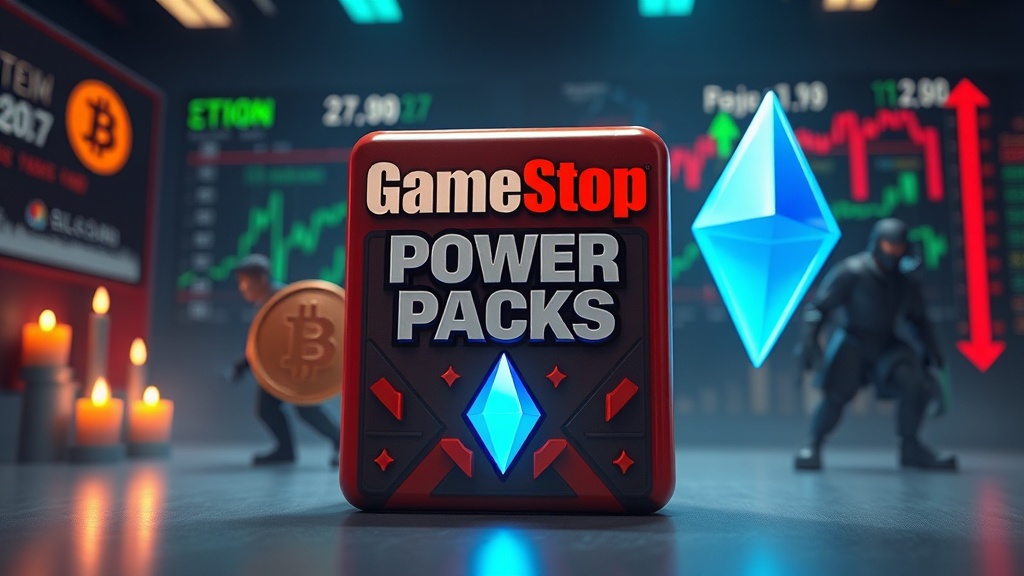
VADODARA, April 14, 2026. The following report is based on currently available verified source material and market data.
GameStop Launches Power Packs Digital Trading Card Platform Amid Extreme Crypto Market Fear developed into a market-moving story within the reported window. The initial source indicates immediate relevance for crypto sentiment, while fuller validation is still tied to cited datasets and official statements.
The Power Packs platform represents GameStop's latest move into digital asset markets, with specific pricing tiers and features designed to bridge physical and digital collecting. Key metrics from the announcement and current market conditions provide context for this development.
| Metric | Value | Source |
|---|---|---|
| Power Packs Price Range | $25 to $2500 | Source: public statement |
| Bitcoin Price | $74,500 | Source: CoinGecko |
| Bitcoin 24h Change | +4.70% | Source: CoinGecko |
| Global Crypto Sentiment | Extreme Fear (Score: 21/100) | Source: CoinGecko |
The platform's launch date of April 15, 2026, follows a beta phase, though specific beta duration or user numbers are not provided in source data. This structured pricing model contrasts with the volatility seen in cryptocurrency markets, where sentiment indicators show extreme fear despite recent price gains.
GameStop's Power Packs launch matters for several interconnected reasons that reflect broader market trends and participant dynamics.
Why now? The launch comes as traditional retail and gaming companies increasingly explore digital asset models, similar to the NFT boom of 2021-2022. With crypto markets in extreme fear sentiment, this represents a diversification into less volatile digital collectibles that maintain real-world value through PSA grading.
Who benefits? GameStop stands to gain from new revenue streams and customer engagement, while collectors benefit from instant buyback options and secure storage. PSA Vault gains exposure through partnership. Retail investors in crypto may see this as a hedge against market volatility, though direct crypto integration is not mentioned in source data.
Time horizons: Short-term, the launch could drive immediate sales and media attention. Long-term, success could validate the model for other retailers, potentially creating a new digital collectibles market segment separate from pure cryptocurrencies.
Causal chain: GameStop identifies demand for digitized physical collectibles → develops platform with PSA partnership → launches with price tiers and buyback features → attracts collectors seeking tangible value → creates revenue stream independent of crypto volatility. This mechanism bypasses the speculative mechanisms driving crypto markets, instead focusing on established collectible markets with digital convenience.
The Power Packs platform operates through a hybrid physical-digital model that differs fundamentally from cryptocurrency and NFT market structures. Users purchase digital packs that correspond to real PSA graded trading cards stored in PSA Vault. The instant buyback option provides liquidity typically absent in traditional collectible markets, while secure storage addresses physical preservation concerns. This creates a closed-loop system where digital ownership represents physical asset custody, reducing the purely speculative elements common in crypto markets. The price range ($25-$2500) targets multiple collector segments, from casual enthusiasts to high-end investors, similar to tiered pricing in traditional collectibles but with digital accessibility.
GameStop's move occurs alongside several developments in the broader digital asset and crypto space, highlighting divergent strategies:
Unlike these crypto-centric developments, Power Packs leverages physical asset backing, positioning it closer to traditional e-commerce with digital enhancements rather than blockchain-native innovations.
Despite the structured approach, several risks and uncertainties could impact the Power Packs platform's success:
The failure condition would be insufficient user adoption due to high prices or lack of perceived value, breaking the revenue mechanism. Additionally, if crypto market recovery redirects investor interest, demand for hybrid models could decline.
If successful, Power Packs could encourage other retailers to digitize physical collectibles, creating a new market segment. This might lead to increased competition and innovation in digital-physical hybrid models. For crypto markets, it represents a parallel development that doesn't directly impact prices but could attract capital seeking less volatile digital assets. Regulatory developments for digital assets generally could also affect this platform's operations.
GameStop has been exploring digital transformations since its 2021 meme stock phenomenon, with previous forays into NFTs and blockchain gaming. The Power Packs platform builds on this trajectory but shifts focus to physically-backed digital collectibles, avoiding the pure speculation associated with many crypto assets. This reflects a broader trend of traditional companies entering digital asset spaces with hybrid models that mitigate crypto volatility risks.
Several related developments in the crypto space provide context for GameStop's launch:
These developments show diverse strategies in digital assets, from pure crypto DeFi to enterprise services, against which GameStop's physically-backed model stands out.
GameStop's Power Packs platform launch represents a strategic entry into digital collectibles with physical backing, launching amid extreme crypto market fear. With prices from $25 to $2500 and features like instant buyback, it targets collectors seeking tangible value with digital convenience. While risks include market saturation and regulatory uncertainty, success could validate hybrid models for other retailers. The platform operates independently of crypto volatility, offering an alternative in the broader digital asset.
Q1: What is GameStop's Power Packs platform?It's a digital trading card platform launching April 15, 2026, offering digital packs with real PSA graded cards from Pokémon and sports, priced $25-$2500, with instant buyback and secure storage.
Q2: How does it differ from NFTs or cryptocurrencies?It's physically backed by real graded cards stored in PSA Vault, unlike purely digital NFTs, and doesn't involve blockchain speculation or crypto volatility.
Q3: What are the price ranges?Prices range from $25 to $2500, targeting different collector segments.
Q4: When does it launch?Public launch is April 15, 2026, after beta completion.
Q5: What is the current crypto market context?Global crypto sentiment is extreme fear (score 21/100), with Bitcoin at $74,500, up 4.70% in 24 hours.
Q6: Who benefits from this launch?GameStop gains new revenue, collectors get digital convenience with physical value, and PSA Vault expands its storage services.
Analysts are watching initial adoption rates and whether this model can sustain interest beyond launch, particularly as crypto markets navigate extreme fear sentiment.
What to watch next: GameStop Launches Power Packs Digital Trading Card Platform GameStop has announced that its Power Packs digital trading card platform will launch to the public on April 15, 2026, after completing its beta phase...; GameStop has announced that its Power Packs digital trading card platform will launch to the public on April 15, 2026, after completing its beta phase..
Evidence & Sources
Primary source: https://coinpedia.org/crypto-live-news/gamestop-launches-power-packs-digital-trading-card-platform
Updated at: Apr 14, 2026, 07:45 PM
Data window: Apr 14, 2026, 02:58 PM → Apr 14, 2026, 03:04 PM
Evidence stats: 4 metrics, 2 timeline points.
Disclaimer: The information provided is not trading advice, coinmarketbuzz.com holds no liability for any investments made based on the information provided on this page. We strongly recommend independent research and/or consultation with a qualified professional before making any investment decisions.
All published reports are reviewed by our editorial team for factual consistency, neutrality, and reader clarity.