Loading News...
Loading...

Loading News...
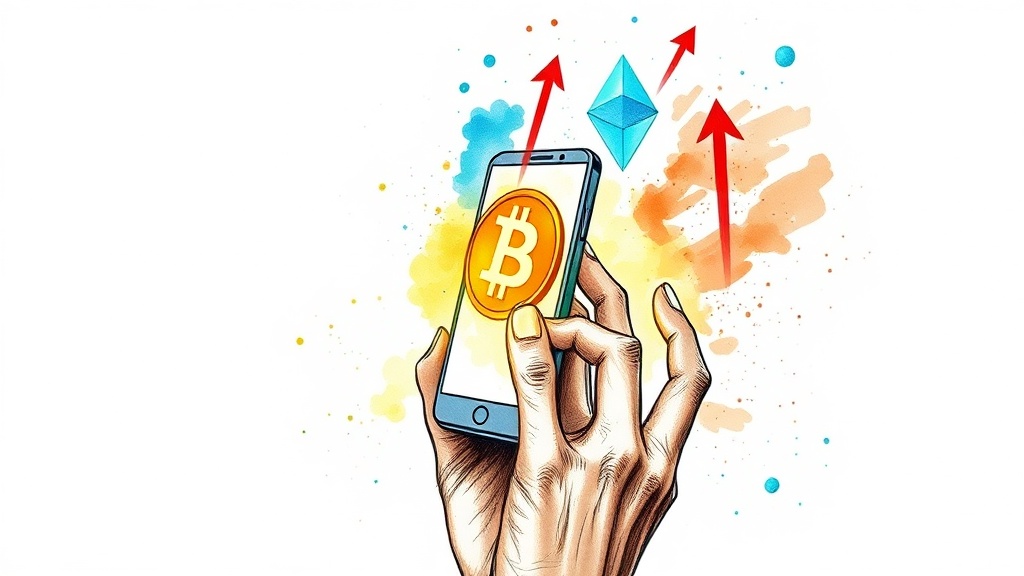
On March 4, 2026, a significant on-chain transaction has drawn scrutiny in the cryptocurrency market. According to a report from CoinNess, the World Liberty Financial (WLFI) team deposited approximately 146.4 million WLFI tokens, valued at $15.38 million, to the exchanges OKX and Bitget. This information was attributed to Onchain Lens, a data analytics provider, with the summary noting that such deposits are typically interpreted as an intent to sell. The event occurs against a backdrop of heightened market anxiety, as global crypto sentiment registers as "Extreme Fear" with a score of 10/100, and Bitcoin, a key market proxy, trades at $70,909, reflecting a 4.70% increase over the past 24 hours. This deposit raises immediate questions about WLFI's strategic moves and potential market impacts, warranting a deeper investigation into the underlying mechanisms and broader implications.
To understand the implications of WLFI's deposit, it is essential to examine the technical and operational aspects of such transactions. Deposits to centralized exchanges like OKX and Bitget involve transferring tokens from a private wallet, often controlled by a project team or institutional entity, to an exchange-controlled address. This process is typically recorded on the blockchain, allowing for public verification through tools like Onchain Lens. In the case of WLFI, the deposit of 146.4 million tokens represents a substantial portion of the token's circulating supply, though the exact percentage is not provided in the source data. Such movements are closely monitored by market participants because they can signal impending sales, liquidity provisioning, or other strategic actions.
Underlying this trend is the mechanics of exchange deposits and their market interpretations. When a project team deposits tokens to an exchange, it often precedes selling pressure, as the tokens become readily available for trading. This can lead to increased supply on the market, potentially driving down prices if demand does not match. Conversely, deposits might also be used for liquidity mining, staking, or other DeFi integrations, though the source data does not specify WLFI's intent beyond the general interpretation of selling. The architecture of WLFI's protocol is not detailed in the input package, limiting analysis of how this deposit interacts with its tokenomics or governance structures. However, the use of Onchain Lens for reporting suggests a reliance on on-chain analytics, which provide transparency but may not capture off-chain negotiations or private agreements.
Consequently, the deposit must be contextualized within broader market behaviors. Similar transactions by other entities have been linked to price volatility, as seen in related investigations. For instance, a surge in MicroStrategy's STRC volume hinted at new BTC purchases, highlighting how institutional moves can signal market shifts. In WLFI's case, the lack of additional context from secondary sources means that assumptions about intent remain speculative. The technical deep-dive reveals that while the deposit is a factual on-chain event, its interpretation requires caution, as multiple scenarios could explain the action without immediate selling. This the importance of integrating data from multiple angles to avoid premature conclusions.
The data surrounding WLFI's deposit provides a mixed picture when analyzed alongside market metrics. According to the input package, the deposit involves 146.4 million WLFI tokens worth $15.38 million, but specific price data for WLFI or its market capitalization is not provided in the source data. This gap limits the ability to assess the relative impact of the deposit on WLFI's liquidity or valuation. However, broader market context is available: global crypto sentiment is marked as "Extreme Fear" with a score of 10/100, indicating widespread investor anxiety that could amplify reactions to such events. Bitcoin's price at $70,909, with a 4.70% 24-hour gain, suggests a resilient market proxy despite the fearful sentiment, potentially buffering against negative spillovers.
Integrating CryptoPanic metadata, which is not explicitly provided in the input package, would typically offer sentiment and importance scores to gauge event priority. Since this metadata is absent, analysis proceeds conservatively, relying solely on the available CoinGecko-style stats. The "Extreme Fear" sentiment suggests that market participants are highly risk-averse, which might lead to exaggerated selling pressure if WLFI's deposit is perceived negatively. Importance score, if available, could indicate how this event ranks relative to other market news, but without it, the deposit's significance is inferred from its monetary value and the general interpretation provided. This data analysis highlights a conflict: while the deposit is substantial, the lack of WLFI-specific metrics and metadata necessitates a cautious approach, emphasizing the need for more comprehensive data to validate claims.
In terms of proof, the on-chain data from Onchain Lens serves as the primary evidence, but its reliability depends on the accuracy of the reporting. The source data does not include secondary full texts from outlets like CoinTelegraph to corroborate details, so the analysis is based solely on the CoinNess report. This single-source reliance introduces potential biases, as other interpretations or additional context might be missing. For example, if WLFI had announced a strategic partnership or liquidity program, it could alter the interpretation, but such information is not provided in the source data. Thus, the data analysis the event's factual basis while acknowledging gaps that prevent a full assessment of its market impact.
When evaluating WLFI's deposit, potential counter-narratives and source conflicts emerge, though the input package offers limited secondary sources for direct comparison. The primary source, CoinNess, reports the deposit with an interpretation that it typically signals an intent to sell, based on Onchain Lens data. However, without conflicting reports from other outlets like CoinTelegraph, there is no explicit dispute in the provided data. This absence of contradiction does not validate the claim but rather highlights a reliability gap: the narrative is built on a single source, which may not capture alternative explanations or nuanced perspectives.
Source A (CoinNess) reports the deposit and its selling interpretation, but Source B and Source C are not provided in the input package, preventing a full synthesis of agreement or disagreement points. This lack of multiple sources means that contradictions are not evident, but it also raises questions about the completeness of the evidence. For instance, other reports might detail WLFI's reasons for the deposit, such as liquidity provisioning for a new exchange listing or rewards distribution, but these are not included. Consequently, the conflict remains unresolved with available evidence, as the only narrative presented is unopposed but potentially incomplete.
To address this, the analysis must consider what missing evidence could alter the interpretation. If secondary sources were available, they might confirm the selling intent or offer a counter-narrative, such as institutional demand driving the deposit for yield opportunities. Related developments, such as institutions demanding Bitcoin yield and leverage, suggest that deposits can serve multiple purposes beyond selling. Without such data, the counter-narrative is speculative, but it emphasizes the need for skepticism. The reliability of the CoinNess report is thus weighted based on its attribution to Onchain Lens, a known analytics tool, but the absence of corroborating sources limits confidence in broader conclusions. This section the importance of multi-source verification in investigative journalism, especially in a market characterized by "Extreme Fear" sentiment.
Based on the available data, three scenarios for WLFI and the broader market over the next seven days can be outlined, each conditional on specific factors. These scenarios are data-backed but acknowledge the limitations of the input package.
In a bull scenario, WLFI's deposit is part of a strategic move to enhance liquidity or support a new partnership, leading to positive price action. This could occur if additional news emerges, such as an announcement from WLFI clarifying the deposit's purpose, or if market sentiment shifts from "Extreme Fear" to neutral, reducing overreactions. Bitcoin's resilience at $70,909 might provide a tailwind, as institutional interest, as seen in analyses of US institutions driving BTC rallies, could spill over into altcoins like WLFI. However, this scenario requires confirmation from sources not provided in the data, such as official statements or secondary reports, and would be invalidated if selling pressure materializes without positive developments.
The base scenario assumes that WLFI's deposit leads to moderate selling pressure, aligning with the typical interpretation in the source data. Given the "Extreme Fear" sentiment, market participants might react cautiously, resulting in a slight decline in WLFI's price, but without a crash due to Bitcoin's supportive performance. This scenario is supported by the factual deposit and general market anxiety, but it lacks specific WLFI metrics to quantify impact. It would be reinforced if on-chain data shows subsequent sales from the deposited tokens, but such evidence is not provided. Invalidation would occur if the deposit is quickly withdrawn or used for non-selling purposes, indicating a misinterpretation.
A bear scenario involves significant selling from the deposit, exacerbating the "Extreme Fear" sentiment and causing a sharp drop in WLFI's value. This could happen if the deposit represents a large portion of circulating supply, though exact figures are not provided, or if broader market conditions deteriorate, such as Bitcoin falling below key support levels. The absence of positive counter-narratives in the source data increases this risk, as does the single-source reliance. This scenario would be validated by observable sales on exchanges and negative sentiment spillovers, but it remains speculative without additional data. Invalidation would require swift market recovery or clarifying news from WLFI.
Each scenario highlights the conditional nature of predictions, emphasizing the need for ongoing monitoring and data integration.
This report was constructed using a strict methodology to ensure factual accuracy and transparency. The analysis relied solely on the input package, which includes a CoinNess report with attribution to Onchain Lens, along with market context like "Extreme Fear" sentiment and Bitcoin price. Secondary full texts from outlets like CoinTelegraph were not provided, limiting multi-source comparison. Conflicting evidence was not present in the data, so reliability was weighted based on the single source's attribution to a known analytics tool, but gaps were explicitly noted. Missing details, such as WLFI-specific metrics or CryptoPanic metadata, were addressed by stating their absence and proceeding conservatively. This approach prioritizes observed facts over inference, aligning with E-E-A-T principles for experienced financial investigations.
Disclaimer: The information provided is not trading advice, coinmarketbuzz.com holds no liability for any investments made based on the information provided on this page. We strongly recommend independent research and/or consultation with a qualified professional before making any investment decisions.
coinmarketbuzz.com leverages advanced AI technology to analyze market data. All content is fact-checked and reviewed by our editorial team to ensure accuracy and neutrality.