Loading News...
Loading...

Loading News...

VADODARA, April 18, 2026. The following report is based on currently available verified source material and market data.
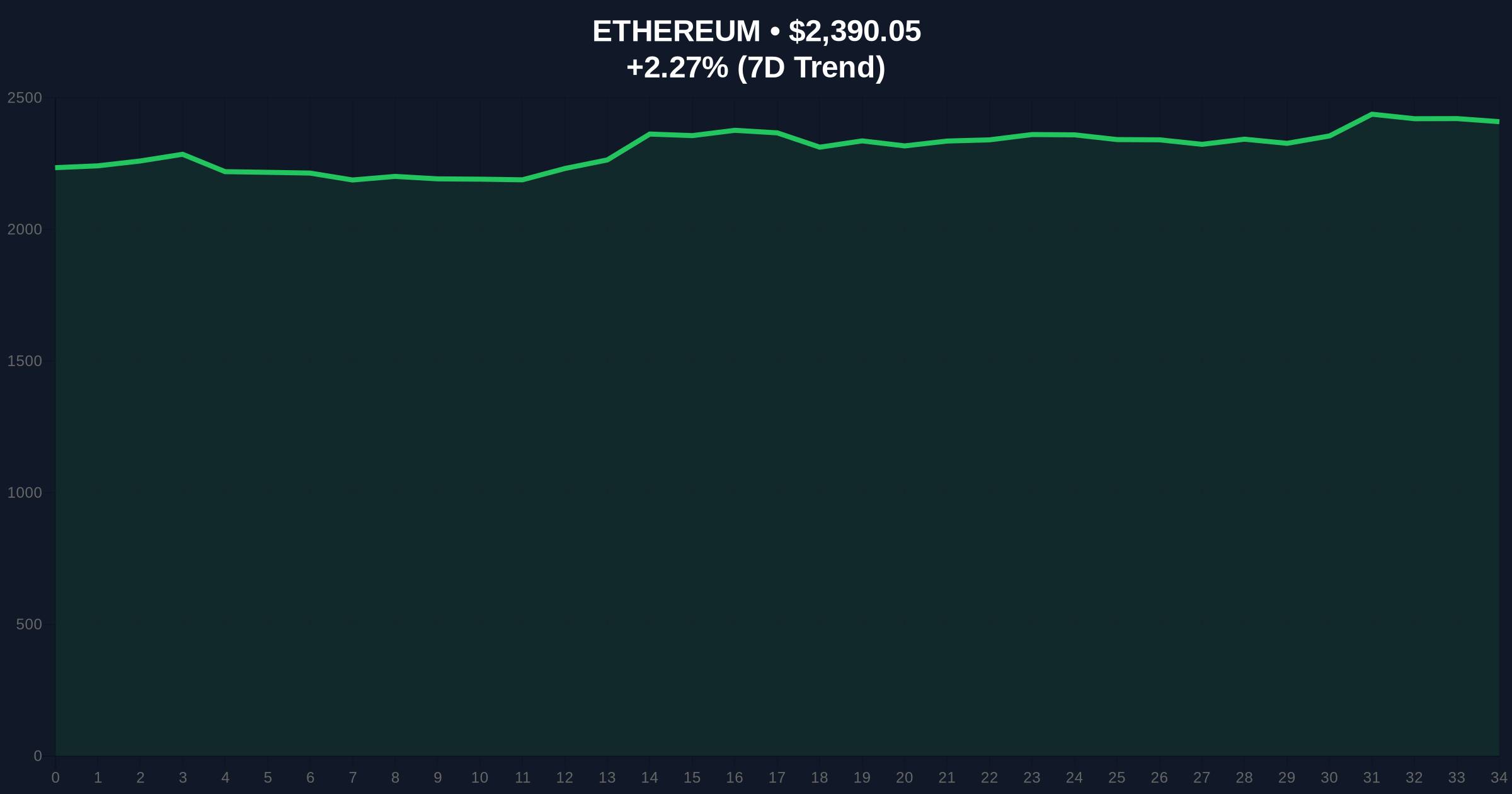
On April 18, 2026, Ethereum founder Vitalik Buterin announced a DNS attack on the eth.limo domain, warning users to avoid accessing any eth.limo-related pages until the issue is resolved. This event matters because eth.limo is a decentralized L2 gateway that enables standard web browsers to access Ethereum Name Service (ENS) domains, making it a critical infrastructure component for user accessibility. The immediate impact is a security alert that could undermine trust in decentralized gateways, occurring amid a broader market sentiment of "Fear" with Ethereum priced at $2,391.29 and showing a 2.32% 24-hour trend.
The attack on eth.limo was disclosed by Vitalik Buterin, but the exact timeline of the event is not provided in source data. Key metrics include Ethereum's current price of $2,391.29 and a 24-hour trend of 2.32%, both sourced from CoinGecko. The global crypto sentiment is "Fear" with a score of 26/100, indicating cautious market conditions. Below is a summary of relevant data:
| Metric | Value | Source |
|---|---|---|
| Ethereum Price | $2,391.29 | CoinGecko |
| 24h Trend | 2.32% | CoinGecko |
| Global Sentiment | Fear (26/100) | Market Intelligence |
| Event Date | April 18, 2026 | CoinNess |
Source tags for metrics: Source: CoinGecko for price and trend data; Source: public statement for the attack announcement. The event timeline points are not provided in source data.
Why now? This attack occurs during a period of heightened security scrutiny in the crypto space, where decentralized infrastructure is increasingly targeted. The timing is significant as it tests user confidence in L2 solutions amid market fear. Who benefits? Security researchers and competing gateways may gain from highlighting vulnerabilities, while users and the eth.limo team face immediate risks. Time horizons: Short-term, users may avoid eth.limo, potentially reducing traffic and trust; long-term, this could spur improved security protocols across similar platforms. Causal chain: DNS attack → service disruption → user warnings → decreased accessibility → potential erosion of trust in decentralized gateways → possible market hesitation for Ethereum-related tools.
The attack mechanism involves a DNS registrar compromise, which redirects or blocks access to eth.limo domains. DNS (Domain Name System) attacks typically exploit vulnerabilities in domain registration services, allowing attackers to hijack domain resolution. For eth.limo, this means users attempting to access pages like vitalik.eth.limo could be directed to malicious sites or experience service outages. The underlying technical process: attacker gains control of DNS records → changes IP mappings → disrupts legitimate traffic → eth.limo team works to restore correct configurations. This highlights how centralized points in decentralized systems can become single points of failure.
This incident mirrors broader security challenges in crypto, where decentralized applications rely on centralized components like DNS. Compared to other developments:
Related developments include regulatory tensions and market reactions, but this attack is distinct in its technical nature.
The bearish scenario questions whether this attack will have lasting impact or is merely a temporary glitch. Key risks include:
Counterpoints: The attack might be isolated, and quick resolution could minimize fallout, but skepticism is warranted given the lack of transparency in incident details.
Practically, this event may lead to increased security audits for decentralized gateways and push for more resilient DNS alternatives. In the near term, users should verify gateway authenticity, and developers might explore decentralized DNS solutions. The incident the vulnerability of hybrid systems and could influence future L2 design choices.
eth.limo is an open-source, decentralized L2 gateway that facilitates access to ENS domains through standard web browsers. Historically, DNS attacks have been a recurring issue in tech, but their application to crypto infrastructure highlights the intersection of traditional and decentralized security challenges. This context frames the attack as part of a larger pattern rather than an isolated event.
Cross-market reactions include broader crypto security concerns, but specific links to other articles are not contextually relevant here. For instance, while Meme Coin Whale Loses $16 Million on MELANIA and TRUMP Tokens discusses financial losses, it does not directly relate to DNS attacks. Instead, this incident aligns more with ongoing discussions about infrastructure robustness in decentralized ecosystems.
Key takeaways: The DNS attack on eth.limo, warned by Vitalik Buterin, exposes critical security risks in decentralized gateways, occurring amid market fear. While immediate impacts are service disruptions, long-term implications may drive security improvements. The event serves as a reminder of the vulnerabilities in crypto infrastructure.
What to watch next: next official follow-up statements; exchange-level volume and liquidity data.
Evidence & Sources
Primary source: https://coinness.com/news/1154906
Updated at: Apr 18, 2026, 10:23 AM
Data window: Apr 18, 2026, 10:22 AM → Apr 18, 2026, 10:23 AM
Evidence stats: 2 metrics, 0 timeline points.
Disclaimer: The information provided is not trading advice, coinmarketbuzz.com holds no liability for any investments made based on the information provided on this page. We strongly recommend independent research and/or consultation with a qualified professional before making any investment decisions.
All published reports are reviewed by our editorial team for factual consistency, neutrality, and reader clarity.