Loading News...
Loading...

Loading News...
VADODARA, April 8, 2026. The following report is based on currently available verified source material and market data.
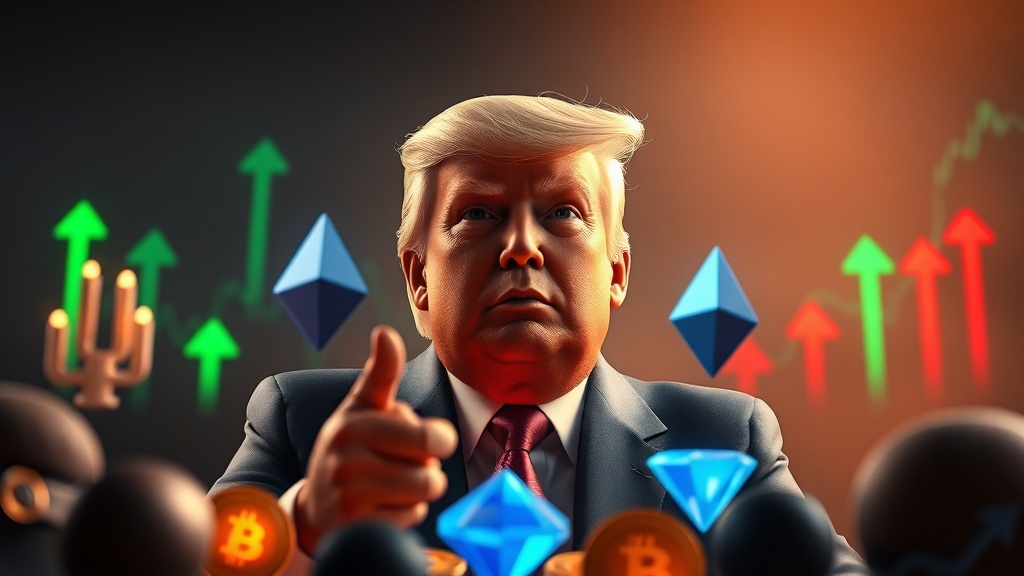
On April 8, 2026, U.S. President Donald Trump announced via social media that the United States is discussing tariff and sanction relief with Iran, following what he described as a "very productive regime change" in the country. This development matters because geopolitical shifts involving major oil-producing nations like Iran can influence global risk assets, including cryptocurrencies, by altering macroeconomic stability and investor sentiment. The announcement comes as Bitcoin trades at $71,573 with a 4.81% 24-hour gain, while the global crypto sentiment index registers "Extreme Fear" at a score of 17/100, highlighting market volatility and uncertainty.
The announcement includes specific claims: Trump stated that uranium enrichment activities in Iran will be prohibited, the U.S. will assist in removing nuclear remnants, and discussions are underway on tariff and sanction relief, with agreements reportedly reached on 15 items. He also suggested a potential joint U.S.-Iran project related to passage tolls in the Strait of Hormuz. Key market metrics provide context: Bitcoin's price is $71,573, up 4.81% in 24 hours, and global crypto sentiment is in "Extreme Fear" territory. Source: CoinGecko. Not provided in source data are details on Iran's crypto adoption or direct market reactions to the announcement.
| Metric | Value | Source |
|---|---|---|
| Bitcoin Price | $71,573 | CoinGecko |
| 24-Hour Change | +4.81% | CoinGecko |
| Global Crypto Sentiment | Extreme Fear (17/100) | CoinGecko |
Why now? This announcement gains significance amid a crypto market characterized by "Extreme Fear" sentiment, suggesting investors are highly sensitive to geopolitical news that could affect risk appetite. Similar to the 2021 correction triggered by macroeconomic uncertainties, shifts in U.S.-Iran relations may introduce new volatility drivers. Who benefits? In the short term, traders might capitalize on price swings, while longer-term, reduced geopolitical tensions could benefit institutional investors seeking stability. However, Iran's crypto remains unclear, limiting direct impacts. Time horizons: Short-term effects could include increased market volatility over days to weeks, while long-term implications depend on actual policy changes and their effect on global oil markets and sanctions. Causal chain: If tariff and sanction relief materialize, it could reduce economic uncertainty → improve risk sentiment → potentially boost crypto inflows, but the mechanism is indirect and contingent on broader market conditions.
The underlying mechanism linking this event to crypto markets involves geopolitical risk transmission. Geopolitical announcements, such as changes in U.S.-Iran relations, can alter investor perceptions of global stability. In this case, discussions on tariff and sanction relief might reduce tensions in the Middle East, a key oil-producing region. This could lower oil price volatility and inflation concerns, indirectly supporting risk assets like cryptocurrencies by improving macroeconomic outlooks. However, the direct impact is muted because Iran's crypto adoption is not detailed in the source data, and crypto markets often react more to immediate liquidity events than geopolitical nuances. The announcement's effect likely works through sentiment channels: reduced fear could shift the global crypto sentiment from "Extreme Fear" toward neutrality, but this requires confirmation from actual policy implementation.
This development contrasts with other recent crypto news, where direct market impacts are more evident. For example:
The bearish scenario and uncertainties include:
In the near term, watch for official statements or policy actions from the U.S. or Iran that clarify the tariff and sanction relief details. These could provide more direct cues for market reactions. Additionally, monitor oil prices and global equity markets for spillover effects into crypto. If relief materializes, it might gradually improve crypto sentiment scores, but immediate price impacts are likely limited without specific crypto-related provisions.
Historically, geopolitical events involving oil-rich nations have influenced crypto markets indirectly through macroeconomic channels. For instance, past Middle East tensions have correlated with Bitcoin volatility as investors seek hedges. The current context of "Extreme Fear" in crypto sentiment market sensitivity to such news, reminiscent of periods like early 2022 when geopolitical risks contributed to market downturns.
Other recent events provide context for market dynamics:
President Trump's announcement on U.S.-Iran tariff and sanction relief discussions represents a geopolitical development with potential indirect implications for crypto markets. While it may influence investor sentiment amid current "Extreme Fear" conditions, direct impacts are limited by lack of crypto-specific details and reliance on broader economic transmission mechanisms. Traders should prioritize monitoring actual policy changes and market sentiment shifts over speculative narratives.
What to watch next: President Donald Trump announced on social media today that the United States will cooperate closely with Iran, confirming that a very productive...; President Donald Trump announced on social media today that the United States will cooperate closely with Iran, confirming that a very productive regime change has taken place in the country..
Evidence & Sources
Primary source: https://coinness.com/news/1153960
Updated at: Apr 09, 2026, 12:45 AM
Data window: Apr 08, 2026, 01:34 PM → Apr 08, 2026, 01:36 PM
Evidence stats: 2 metrics, 2 timeline points.
Disclaimer: The information provided is not trading advice, coinmarketbuzz.com holds no liability for any investments made based on the information provided on this page. We strongly recommend independent research and/or consultation with a qualified professional before making any investment decisions.
All published reports are reviewed by our editorial team for factual consistency, neutrality, and reader clarity.