Loading News...
Loading...

Loading News...
VADODARA, April 6, 2026. The following report is based on currently available verified source material and market data.
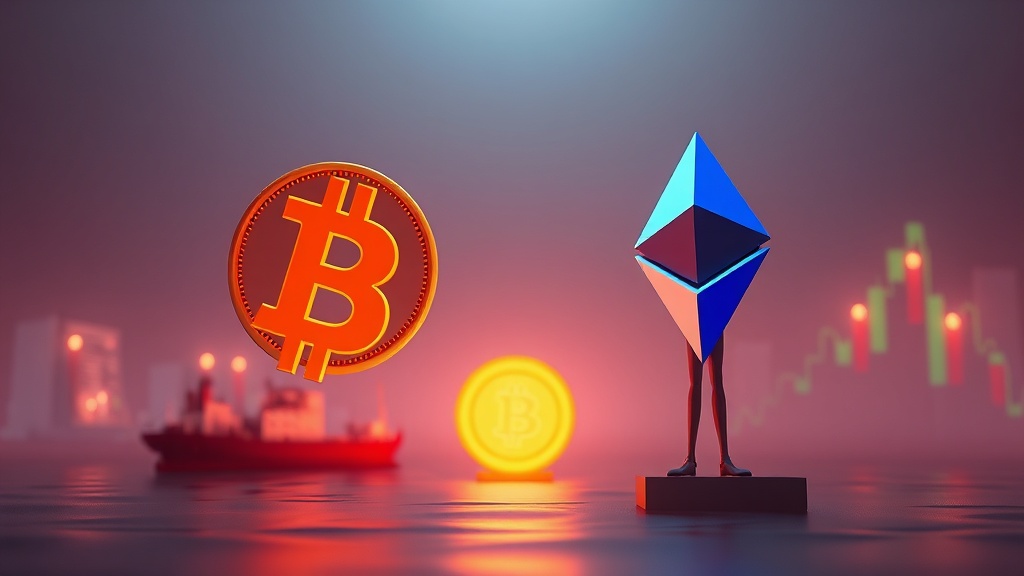
On April 6, 2026, a small number of oil tankers and cargo ships resumed passage through the Strait of Hormuz, according to multiple media reports. This development follows earlier indications that Iran would permit Iraq to use the strait without restrictions, potentially easing a critical geopolitical flashpoint that has influenced global risk assets, including cryptocurrencies. The resumption comes amid a crypto market environment characterized by "Extreme Fear" sentiment, with Bitcoin trading at $69,125, up 3.01% in 24 hours, as investors assess the implications for energy prices and macroeconomic stability.
The event involves the passage of several vessels through the strategic waterway, including a tanker carrying Iraqi crude scheduled to unload in Malaysia in mid-April, a container ship from France's CMA CGM, and an LNG carrier from Japan's Mitsui O.S.K. Lines. This marks the first transit by a major Western European shipping company since the onset of the U.S., Israel, and Iran conflict. Key market metrics reflect ongoing volatility: Bitcoin's price at $69,125 with a 3.01% 24-hour gain, and global crypto sentiment at "Extreme Fear" with a score of 13/100. Source: CoinGecko.
| Metric | Value | Source |
|---|---|---|
| Bitcoin Price | $69,125 | CoinGecko |
| 24-Hour Change | +3.01% | CoinGecko |
| Crypto Sentiment | Extreme Fear (13/100) | CoinGecko |
Why now? The timing is significant as crypto markets, already in "Extreme Fear" territory, are highly sensitive to geopolitical developments that could impact oil prices and broader risk appetite. Similar to the 2021 correction when Middle East tensions contributed to market swings, any easing in the Strait of Hormuz could reduce upward pressure on energy costs, potentially stabilizing inflation expectations and supporting risk assets like Bitcoin. Who benefits? Short-term traders may capitalize on volatility spikes, while long-term investors could see reduced geopolitical risk premiums. Institutions monitoring macroeconomic indicators might interpret this as a positive signal for global trade flows. Time horizons: In the short term (days/weeks), reduced shipping disruptions could lower oil price volatility, indirectly supporting crypto by easing inflationary fears. Longer-term (months/years), sustained passage could signal de-escalation, improving market sentiment for digital assets as alternative investments. Causal chain: Strait reopening → decreased oil supply risk → lower energy price volatility → reduced inflation uncertainty → improved risk asset appeal → potential support for crypto prices amid current fear sentiment.
The Strait of Hormuz is a critical chokepoint for global oil shipments, accounting for about one-fifth of the world's oil trade. When passage is restricted, supply disruptions can spike oil prices, fueling inflation and prompting central banks to maintain tighter monetary policies. This mechanically increases risk aversion, often pressuring speculative assets like cryptocurrencies. Conversely, resumed shipping eases these supply concerns, potentially stabilizing energy markets and reducing macroeconomic headwinds. The mechanism involves: geopolitical de-escalation → improved shipping logistics → stabilized oil supply → moderated inflation expectations → enhanced liquidity conditions for risk assets → crypto market sentiment recovery from extreme fear levels.
This development intersects with broader crypto market dynamics, where geopolitical events often serve as catalysts for price movements. Unlike direct regulatory news or ETF flows, Strait of Hormuz developments affect crypto indirectly through energy and macro channels. Key related areas include:
The bullish narrative assumes sustained de-escalation, but several risks could invalidate this view:
Practically, traders should monitor oil prices and shipping data for confirmation of sustained passage. If the trend continues, it could reduce one source of geopolitical risk premium in crypto valuations, potentially supporting a sentiment shift from "Extreme Fear" toward neutrality. However, the crypto market's reaction will likely depend on concurrent developments, such as ETF inflows or regulatory actions, making isolated analysis challenging.
The Strait of Hormuz has been a flashpoint in U.S.-Iran relations, with previous disruptions contributing to oil market volatility and broader financial instability. In crypto markets, such events have historically amplified correlations with traditional risk assets during periods of geopolitical tension, as seen in past Middle East conflicts that triggered risk-off moves across speculative investments.
Cross-market reactions include heightened attention to energy-sensitive assets and ongoing crypto market analyses. For context, recent reports highlight: Bitcoin's sensitivity to key support levels, with warnings of potential declines if $75,000 fails, and observations that Bitcoin now front-runs Fed policy amid shifting ETF dynamics. These reflect the complex interplay between geopolitics, macroeconomics, and crypto-specific factors.
The resumption of shipping through the Strait of Hormuz offers a tentative signal of geopolitical easing, with potential indirect benefits for crypto markets by reducing oil-driven inflationary risks. However, with sentiment at "Extreme Fear" and multiple variables at play, the impact remains contingent on sustained de-escalation and broader market conditions.
What to watch next: This follows an earlier report from Al Jazeera that Iran would permit Iraq to use the strait without restrictions.; exchange-level volume and liquidity data.
Evidence & Sources
Primary source: https://coinness.com/news/1153679
Updated at: Apr 06, 2026, 07:31 AM
Data window: Apr 06, 2026, 07:08 AM → Apr 06, 2026, 07:08 AM
Evidence stats: 2 metrics, 1 timeline points.
Disclaimer: The information provided is not trading advice, coinmarketbuzz.com holds no liability for any investments made based on the information provided on this page. We strongly recommend independent research and/or consultation with a qualified professional before making any investment decisions.
All published reports are reviewed by our editorial team for factual consistency, neutrality, and reader clarity.