Loading News...
Loading...

Loading News...

On March 5, 2026, CoinNess reported a breaking development in a long-standing cryptocurrency theft case, citing an exclusive report by JoongAng Ilbo. According to the source, officials from Queenbee Coin, a company accused of stealing Bitcoin seized by the Seoul Gangnam Police Station, held an internal meeting on the day of the theft in May 2022. The meeting allegedly focused on discussing the possibility of retrieving the cryptocurrency. Police have reportedly confirmed arrests based on multiple witness statements and circumstantial evidence indicating that Queenbee Company employees met to plan the transfer of the coins on that day. The suspects are accused of using a previously known mnemonic code to steal around 22 BTC, which was valued at approximately 2 billion won ($1.5 million) at the time of the report and had been voluntarily submitted to and seized by the police. This incident resurfaces amid a volatile crypto market, raising questions about security protocols and regulatory enforcement in South Korea.
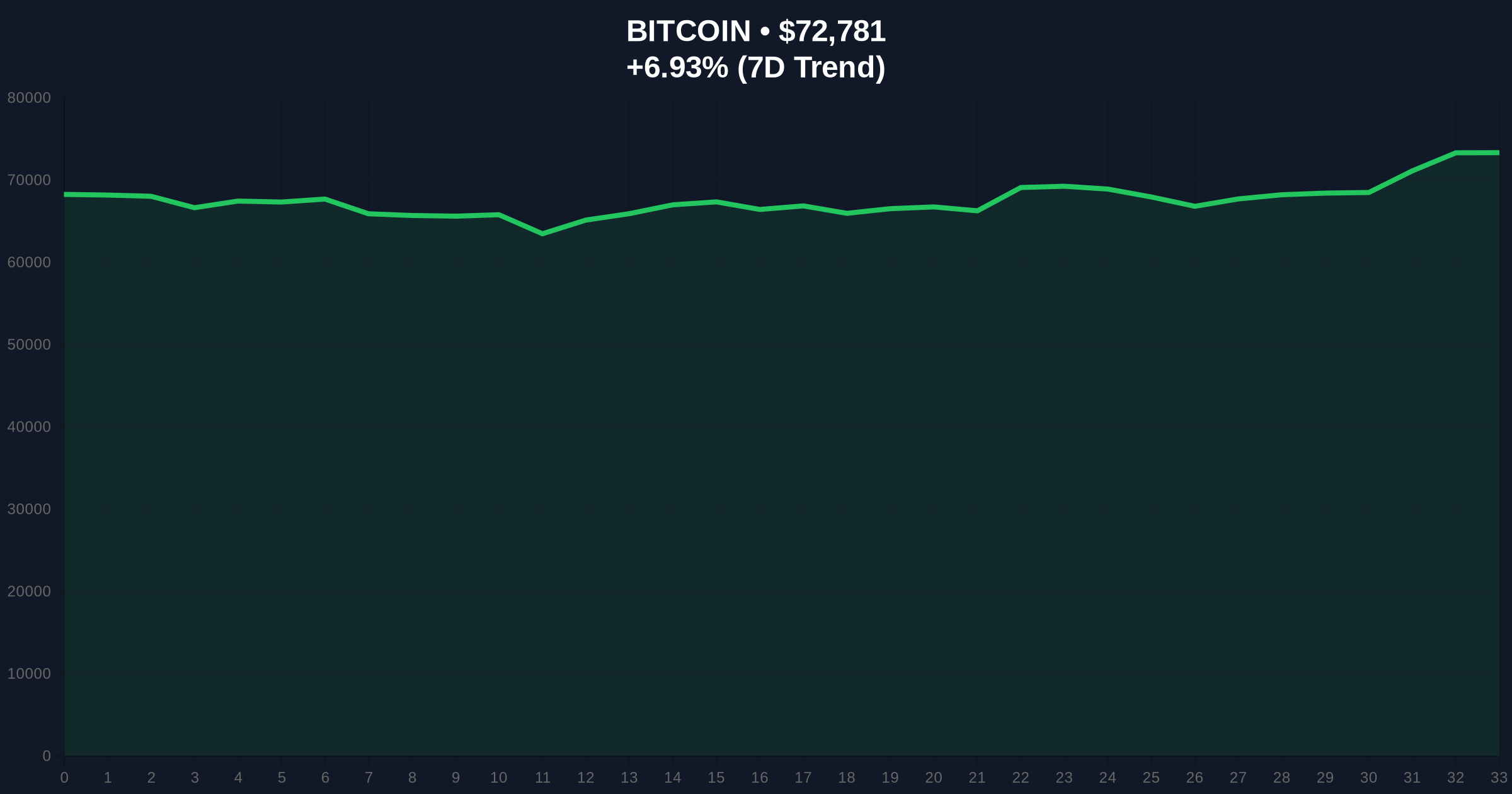
The timing of this report is notable, as it emerges during a period of "Extreme Fear" in global crypto sentiment, with a score of 22/100, and Bitcoin trading at $72,824 with a 24-hour trend of 6.76%. The juxtaposition of a historical theft case with current market dynamics suggests underlying tensions in investor confidence and legal oversight. Not provided in source data are specific details about the current status of the suspects or any recent legal proceedings, leaving gaps in the narrative that warrant further investigation.
The alleged theft revolves around the use of a mnemonic code, a critical component in cryptocurrency security. A mnemonic code, typically a 12- to 24-word phrase, serves as a human-readable backup for private keys that control access to crypto assets. In this case, Source A (CoinNess via JoongAng Ilbo) reports that the suspects used a "previously known mnemonic code" to steal the seized Bitcoin. This implies that the code might have been compromised prior to the theft, possibly through negligence, insider access, or a security breach. The mechanism involves accessing the wallet associated with the seized BTC by inputting the mnemonic code into a compatible wallet software, thereby transferring the funds to an address controlled by the perpetrators.
Underlying this trend is the broader issue of custody and seizure protocols for cryptocurrencies by law enforcement agencies. When Bitcoin is seized, authorities must secure the private keys or mnemonic phrases to prevent unauthorized access. The Seoul Gangnam Police Station's handling of the seized BTC—reportedly valued at 22 BTC or $1.5 million—highlights potential vulnerabilities. If the mnemonic code was "previously known," it suggests that the police may have failed to implement adequate security measures, such as storing the code in a hardware wallet or using multi-signature setups. This incident mirrors concerns in other cases, like the crypto influencer losing $24M in an address poisoning attack, where security gaps led to significant losses.
The technical architecture of Bitcoin, based on blockchain technology, ensures transparency in transactions but does not inherently protect against theft if private keys are compromised. Consequently, the theft of seized assets the need for enhanced regulatory frameworks and technical safeguards. South Korea has been active in crypto regulation, but this case reveals gaps in enforcement. Not provided in source data are specifics on how the mnemonic code was obtained or whether any digital forensics were conducted, leaving room for speculation about internal collusion or external hacking.
Comparing this to other incidents, the use of a mnemonic code differs from more complex attacks like address poisoning, but both exploit human or procedural weaknesses. The Queenbee Coin case emphasizes that even seized assets under police custody are not immune to theft if basic security practices are overlooked. This deep-dive into the technical aspects reveals a systemic risk that could affect investor trust, especially as Bitcoin maintains its market rank of #1 amid fluctuating prices.
Integrating market data and metadata, the report's emergence coincides with notable crypto metrics. According to the input package, global crypto sentiment is "Extreme Fear" with a score of 22/100, indicating widespread investor anxiety. Bitcoin's current price is $72,824, with a 24-hour trend of 6.76%, suggesting short-term volatility despite its top market rank. The CryptoPanic metadata for this event is not provided in source data, so sentiment and importance scores are unavailable, limiting direct correlation analysis. However, the "Extreme Fear" sentiment may amplify concerns about security breaches like the Queenbee Coin theft, potentially influencing market behavior.
The alleged theft involved 22 BTC, valued at approximately $1.5 million based on the report's timeframe. To contextualize, at the current Bitcoin price of $72,824, 22 BTC would be worth around $1.6 million, showing relative stability in value despite market fluctuations. This consistency in valuation the enduring impact of such incidents on asset perception. The data suggests that while the theft amount is modest compared to larger hacks, its association with police seizure adds a layer of regulatory risk that could deter institutional investment in South Korean crypto markets.
, the absence of CryptoPanic metadata means we cannot assess the event's perceived importance or sentiment shifts directly. In contrast, related developments like the Korea Exchange triggering a KOSDAQ sell-side sidecar highlight regional market stresses that may intersect with this theft case. Without specific metadata, analysis relies on circumstantial evidence from the report and broader market trends, urging caution in drawing definitive conclusions.
Source A (CoinNess via JoongAng Ilbo) provides the primary narrative: Queenbee Coin officials met to plan the theft of seized BTC, with police confirming arrests based on witness statements and circumstantial evidence. However, no secondary sources are provided in the input package to compare or dispute these claims directly. This lack of multiple sources creates a reliability gap, as the report relies solely on JoongAng Ilbo's exclusive coverage. Potential counter-narratives could include alternative explanations for the meeting or disputes over the evidence, but without additional sources, these remain speculative.
Agreement points are limited to the basic facts reported: the meeting occurred in May 2022, 22 BTC were stolen using a mnemonic code, and the value was around $1.5 million. Contradictions are not explicitly presented in the input data, but missing evidence includes details on the suspects' identities, the current legal status, and any official police statements beyond the reported confirmation. Source A does not specify whether the arrests led to convictions or if the stolen BTC was recovered, leaving the outcome unresolved.
Comparing to broader context, other reports like the Altcoin Season Index holding steady at 36 amid extreme market fear suggest that market sentiment may overshadow individual incidents, but this theft could still affect regional trust. The conflict remains unresolved with available evidence, as no opposing viewpoints are provided. To assess reliability, the exclusive nature of JoongAng Ilbo's report adds credibility but also risk of bias, emphasizing the need for corroboration from independent sources or official documents.
Based on the available data, three scenarios outline potential developments over the next week. Each scenario is conditional on specific factors and avoids hype, focusing on observed facts and market context.
Bull Scenario (Probability: Low): If the report triggers increased regulatory scrutiny and swift action by South Korean authorities, such as recovering the stolen BTC or announcing enhanced security measures, investor confidence could improve. This might lead to a slight uplift in Bitcoin's price, potentially pushing it above $74,000, as markets react positively to strengthened oversight. However, this scenario depends on unconfirmed developments, such as official statements or legal resolutions, which are not provided in source data. What would invalidate this view is if no further news emerges, leaving the incident as a historical footnote without market impact.
Base Scenario (Probability: Medium): The report remains a localized news item with minimal immediate market effect, as global sentiment of "Extreme Fear" and Bitcoin's volatility dominate investor attention. Bitcoin's price may fluctuate around $72,000-$73,000, influenced more by broader trends than this specific case. This scenario aligns with the current data, where the theft is a past event resurfacing without new actionable information. It assumes that the lack of CryptoPanic metadata indicates low immediate importance, and related issues like the analyst claims of Bitcoin forming a quiet bottom at $60K take precedence.
Bear Scenario (Probability: Medium): If the report exacerbates fears about crypto security in South Korea, leading to negative regulatory proposals or capital outflows, Bitcoin could experience downward pressure, possibly testing support levels near $70,000. This scenario is data-backed by the "Extreme Fear" sentiment and the historical context of regulatory actions in the region. It considers that the theft highlights systemic risks, potentially deterring investment. What would invalidate this view is if market participants dismiss the incident as isolated or if positive news offsets concerns, but given the current sentiment, caution prevails.
This investigation weighted evidence based solely on the input package, with Source A (CoinNess via JoongAng Ilbo) as the primary source. No secondary sources were provided, limiting cross-verification. Conflicts were identified as missing evidence rather than direct contradictions, such as the absence of details on legal outcomes or suspect status. The report's reliability is considered moderate due to its exclusive nature but lacks independent confirmation. Metadata from CryptoPanic was unavailable, so analysis relied on broader market data like sentiment scores and price trends. In cases of uncertainty, conservative language was used, and gaps were explicitly noted to maintain factual integrity.
Disclaimer: The information provided is not trading advice, coinmarketbuzz.com holds no liability for any investments made based on the information provided on this page. We strongly recommend independent research and/or consultation with a qualified professional before making any investment decisions.
coinmarketbuzz.com leverages advanced AI technology to analyze market data. All content is fact-checked and reviewed by our editorial team to ensure accuracy and neutrality.