Loading News...
Loading...

Loading News...

VADODARA, April 11, 2026. The following report is based on currently available verified source material and market data.
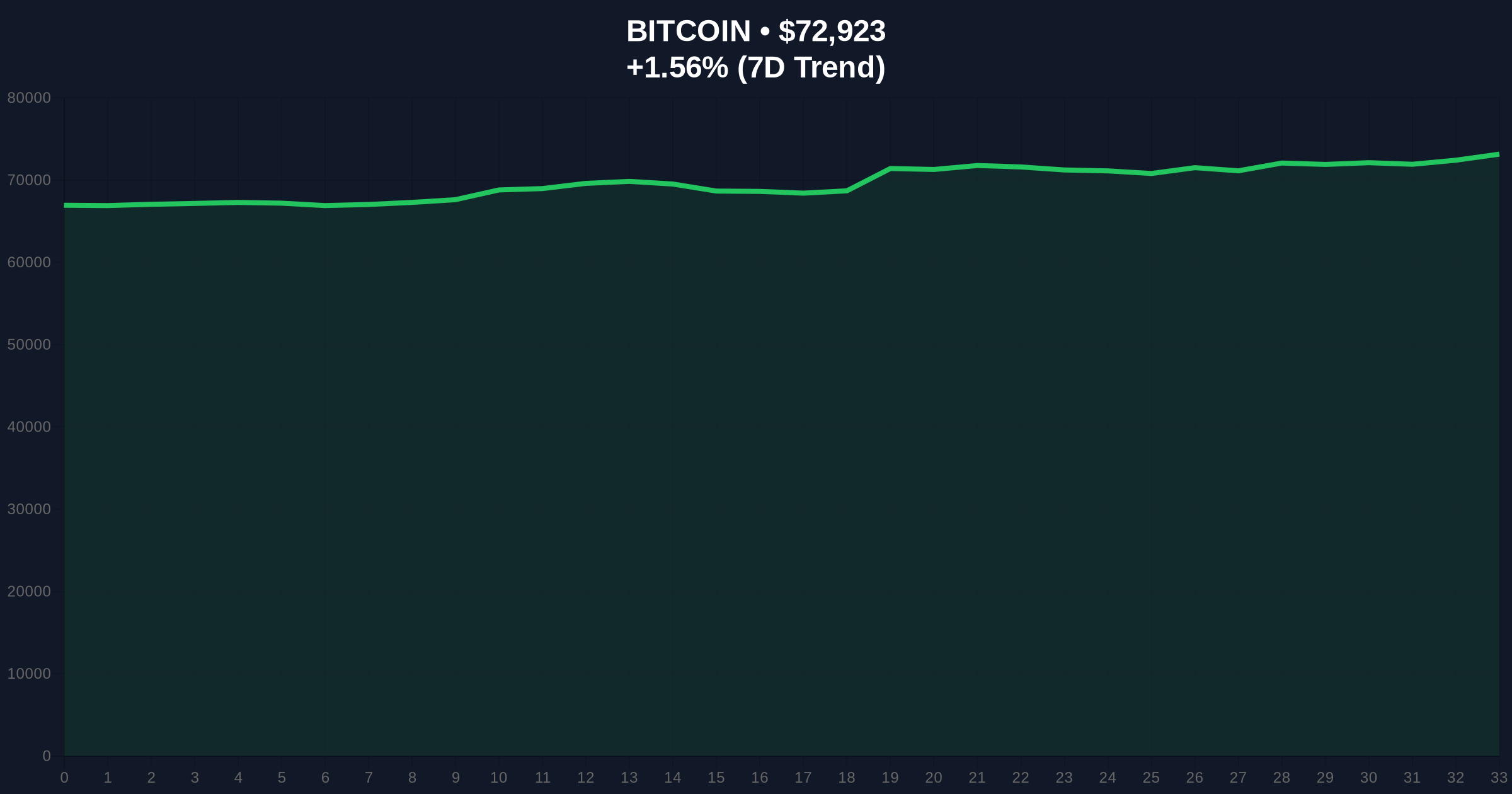
On April 11, 2026, the Crypto Fear & Greed Index remained at 15, signaling extreme fear in the market, down one point from the previous day. This reading, compiled by data provider Alternative, indicates sustained negative sentiment despite Bitcoin trading at $72,925 with a 1.56% 24-hour gain. The persistence of extreme fear matters because it reflects underlying market anxiety that could influence trader behavior and price stability, potentially creating contrarian opportunities or signaling deeper structural issues.
The index, which ranges from 0 (extreme fear) to 100 (extreme optimism), is calculated based on several weighted factors: volatility (25%), trading volume (25%), social media mentions (15%), surveys (15%), Bitcoin's market cap dominance (10%), and Google search volume (10%). Source: public statement. Current market data shows Bitcoin at $72,925 with a 1.56% 24-hour change. Source: CoinGecko. Not provided in source data: historical comparison beyond yesterday, specific volatility or volume metrics, or breakdowns by asset beyond Bitcoin.
| Metric | Value | Source |
|---|---|---|
| Crypto Fear & Greed Index | 15/100 | Alternative |
| Bitcoin Price | $72,925 | CoinGecko |
| 24-Hour Change | +1.56% | CoinGecko |
| Index Weight: Volatility | 25% | Public statement |
| Index Weight: Trading Volume | 25% | Public statement |
Why now? The index's stagnation at extreme fear levels occurs amid Bitcoin's price volatility, suggesting a disconnect between price action and market psychology. This could indicate that recent gains are fragile or driven by specific factors rather than broad optimism. Who benefits? Contrarian traders may see this as a buying opportunity if they believe fear is overblown, while risk-averse investors might delay entry, potentially missing rebounds. Short-term impact includes increased caution and possible sell-offs on minor negative news. Long-term implications involve prolonged recovery times if fear becomes entrenched, affecting overall market liquidity and adoption. Causal chain: Persistent fear → reduced retail participation → thinner liquidity → amplified price swings → further fear reinforcement.
The index mechanically aggregates multiple sentiment indicators: volatility and trading volume (each 25%) capture market activity extremes, social media mentions and surveys (each 15%) gauge public sentiment, while Bitcoin dominance and Google searches (each 10%) reflect attention shifts. A score of 15 suggests high volatility and low volume may be dominating, with negative social chatter outweighing any price gains. This creates a feedback loop where fear metrics suppress buying, leading to stagnant or declining sentiment despite price movements.
Compared to other crypto developments, this extreme fear contrasts with institutional moves like ETF updates or regulatory clashes, which often drive optimism. For example:
Not provided in source data: direct correlation with these events.
The bearish scenario questions whether the index accurately reflects market reality. Key risks include:
Uncertainty remains about the specific drivers behind each component, and missing data on altcoin sentiment could paint an incomplete picture.
In the near term, traders should watch for index movements above 20 to signal fear easing. If extreme fear persists, it could lead to suppressed trading activity and increased market fragility. Practical implications include potential for sharp reversals if sentiment suddenly shifts, impacting leverage positions and portfolio strategies.
The Crypto Fear & Greed Index has been used since its inception to gauge market emotions, often serving as a contrarian indicator. Historically, prolonged extreme fear has sometimes preceded market bottoms, but its reliability varies with market cycles and external factors like regulatory news or macroeconomic events.
Amid this sentiment backdrop, other crypto news includes a Microsoft-exposed Android vulnerability affecting 30 million crypto wallets, which could heighten security fears, and ongoing regulatory clashes as seen in federal judge rulings involving Kalshi. These developments may compound market anxiety, though direct links are not specified in the source data.
The Crypto Fear & Greed Index at 15 highlights persistent extreme fear in crypto markets, despite Bitcoin's price gains. This disconnect warrants skepticism, as underlying mechanisms and data sources may not fully capture market dynamics, presenting both risks and opportunities for informed participants.
What to watch next: Crypto Fear & Greed Index remains at 15, signaling extreme fear The Crypto Fear & Greed Index, compiled by data provider Alternative, is at 15, down one point from yesterday.; The Crypto Fear & Greed Index, compiled by data provider Alternative, is at 15, down one point from yesterday..
Evidence & Sources
Primary source: https://coinness.com/news/1154246
Updated at: Apr 11, 2026, 02:10 AM
Data window: Apr 11, 2026, 02:04 AM → Apr 11, 2026, 02:04 AM
Evidence stats: 5 metrics, 2 timeline points.
Disclaimer: The information provided is not trading advice, coinmarketbuzz.com holds no liability for any investments made based on the information provided on this page. We strongly recommend independent research and/or consultation with a qualified professional before making any investment decisions.
All published reports are reviewed by our editorial team for factual consistency, neutrality, and reader clarity.