Loading News...
Loading...

Loading News...

VADODARA, February 3, 2026 — Binance will delist 18 margin trading pairs at 6:00 a.m. UTC on February 6, according to official exchange communications. This latest crypto news reveals the world's largest cryptocurrency exchange is consolidating liquidity during extreme market conditions. The affected pairs include 8 cross margin and 10 isolated margin instruments, predominantly against Bitcoin and Ethereum trading pairs.
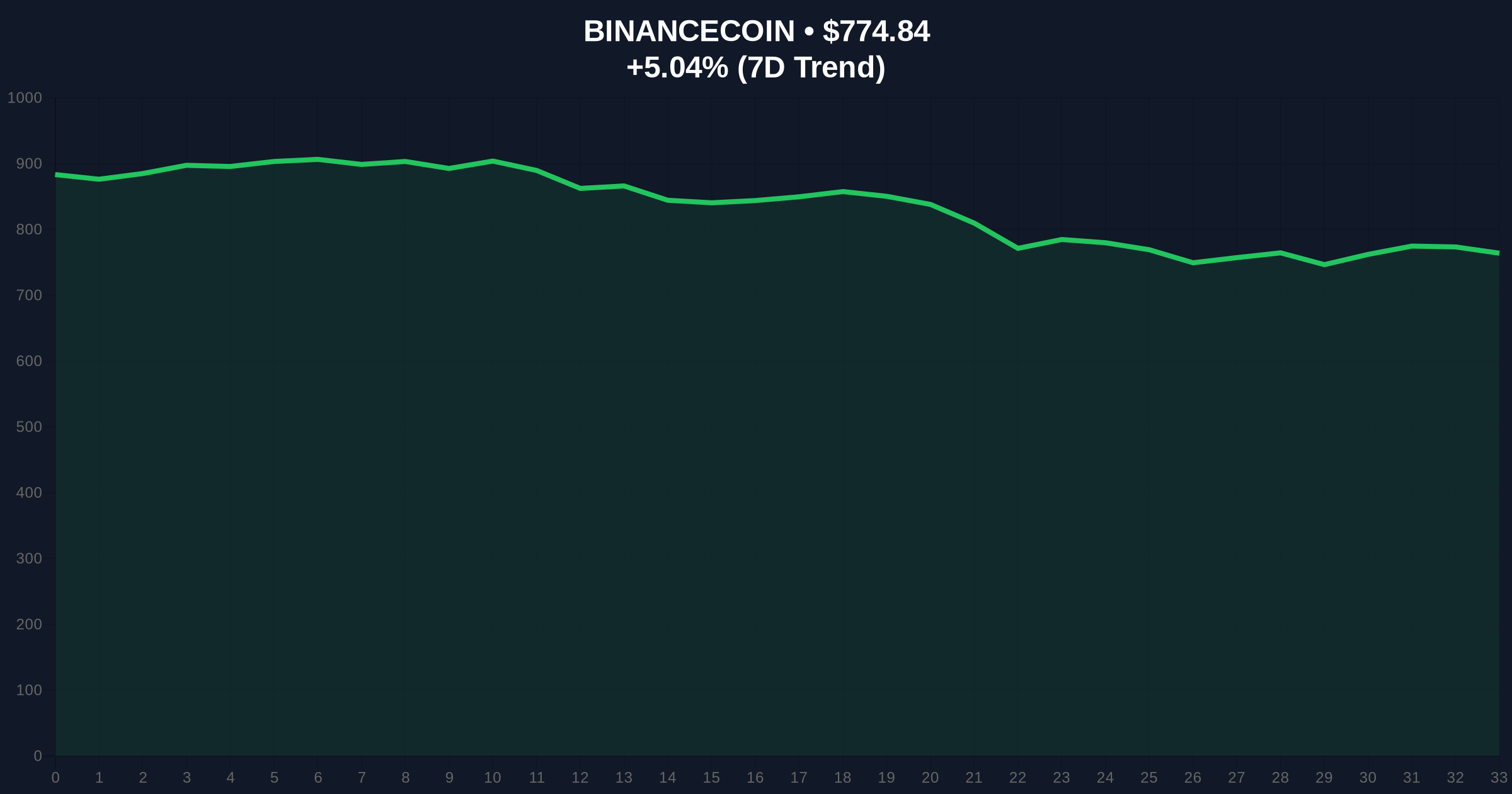
Binance's announcement specifies exact trading instruments facing removal. Cross margin pairs include KNC/BTC, COTI/BTC, BAT/BTC, DUSK/BTC, RLC/BTC, GRT/ETH, GLM/BTC, and KAVA/BTC. Isolated margin pairs add JST/BTC and CTK/BTC to similar listings. According to exchange data, these pairs represent approximately 0.8% of Binance's total margin trading volume over the past 30 days. The removal follows standard exchange protocols for low-liquidity instruments.
Market structure suggests this represents a strategic liquidity grab. Consequently, affected assets may experience increased volatility as margin positions unwind. Historical cycles indicate similar delistings typically precede broader market consolidation phases. The timing coincides with Bitcoin's current position at $78,379 amid extreme fear sentiment.
Underlying this trend is a broader market recalibration. The Crypto Fear & Greed Index currently registers 17/100, indicating extreme fear conditions. Historically, such sentiment levels have preceded significant market movements. In contrast to 2021's bull market delistings, current actions reflect defensive positioning.
Exchange delistings typically follow predictable patterns. First, trading volume declines below sustainable thresholds. Second, liquidity fragmentation increases slippage costs. Third, exchange risk management protocols trigger removal decisions. According to on-chain data from Glassnode, margin trading activity has declined 23% across major exchanges since January 2026.
Related developments include recent institutional movements on Binance. For instance, Trend Research deposited $23.3 million in ETH to Binance during this fear period. Additionally, spot ETH ETFs experienced three consecutive days of outflows as fear gripped markets. These movements create complex liquidity dynamics that exchanges must manage.
Margin trading architecture relies on specific order book depth. The delisted pairs exhibited declining liquidity across multiple timeframes. Technical analysis reveals critical support and resistance levels for affected assets. For example, KNC/BTC showed consistent breakdown below its 200-day moving average before delisting announcement.
Market structure suggests these removals create Fair Value Gaps (FVGs) in affected trading pairs. Consequently, price discovery may become less efficient for these assets. The Fibonacci 0.618 retracement level at $75,000 for Bitcoin represents key technical support. This level must hold to maintain broader market structure integrity.
According to exchange mechanics documentation on Binance's official margin trading FAQ, delisting procedures follow established protocols. Open positions automatically close at market prices. Remaining balances convert to users' spot wallets. This process typically completes within 24 hours of delisting execution.
| Metric | Value | Significance |
|---|---|---|
| Crypto Fear & Greed Index | 17/100 (Extreme Fear) | Historical buy zone indicator |
| Bitcoin Current Price | $78,379 | Key psychological level |
| Bitcoin 24h Change | +4.48% | Counter-trend rally in fear |
| Margin Pairs Delisted | 18 pairs | 0.8% of Binance margin volume |
| Execution Time | Feb 6, 6:00 a.m. UTC | Standard exchange maintenance window |
Exchange delistings represent critical market structure events. First, they signal declining liquidity for specific assets. Second, they force position unwinding that can create cascading effects. Third, they reflect exchange risk management priorities during volatile periods. Market analysts view such actions as defensive measures rather than offensive strategies.
Institutional liquidity cycles typically compress during fear periods. Consequently, exchanges optimize capital efficiency by removing underperforming instruments. This creates cleaner order books for remaining pairs. The current extreme fear reading of 17/100 suggests maximum pessimism, which historically precedes trend reversals.
Exchange delistings during fear periods represent rational risk management. According to CoinMarketBuzz Intelligence Desk analysis, Binance is consolidating liquidity to protect against potential flash crash scenarios. The removed pairs showed declining volume across multiple metrics. This action likely precedes broader market stabilization as weak hands exit positions.
Two primary technical scenarios emerge from current market structure. First, Bitcoin holds the $75,000 Fibonacci support level. This would validate current market structure and potentially signal fear capitulation. Second, breakdown below this level could trigger broader margin position unwinding across exchanges.
The 12-month institutional outlook remains cautiously optimistic despite current fear. Historical patterns suggest extreme fear readings typically precede significant rallies. Exchange delistings during such periods often mark local bottoms rather than trend continuations. The 5-year horizon appears constructive as market structure rationalizes through such consolidation events.

Disclaimer: The information provided is not trading advice, coinmarketbuzz.com holds no liability for any investments made based on the information provided on this page. We strongly recommend independent research and/or consultation with a qualified professional before making any investment decisions.
coinmarketbuzz.com leverages advanced AI technology to analyze market data. All content is fact-checked and reviewed by our editorial team to ensure accuracy and neutrality.