Loading News...
Loading...

Loading News...

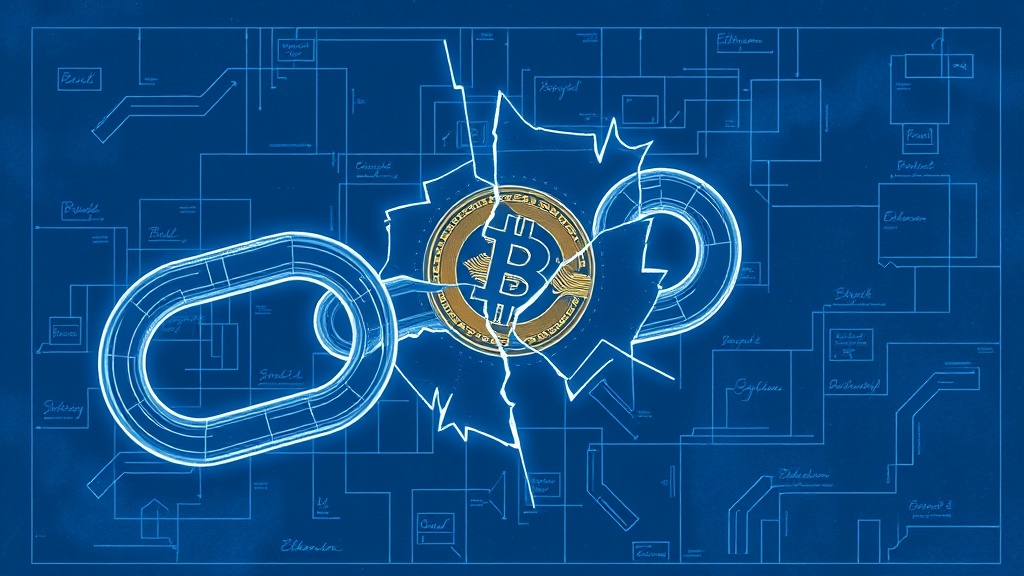
On March 3, 2026, venture capital firm a16z Crypto issued a sharp critique of the cryptocurrency industry's handling of zero-knowledge (ZK) technology, alleging widespread misuse of the term "ZK." According to a report from CoinNess, a16z Crypto stated that many zkVMs (zero-knowledge virtual machines) currently on the market are not genuinely zero-knowledge without undergoing a separate, costly "wrapping" procedure. This process involves recursively proving one proof within another zero-knowledge proof system, which a16z described as computationally expensive and often requiring a trusted setup, thereby compromising transparency. The firm emphasized that the industry is using "ZK" as shorthand for systems with small proof sizes and fast verification speeds, while the true essence of ZK lies in privacy protection—specifically, not revealing a prover's sensitive data. This announcement comes at a time of heightened market uncertainty, with global crypto sentiment in "Extreme Fear" (score: 14/100) and Bitcoin trading at $68,384, down 1.46% over 24 hours, as per the provided market data. The timing raises questions about whether a16z's critique is a genuine technical correction or a strategic move amid broader market volatility.
To understand a16z Crypto's allegations, it's essential to dissect the technical underpinnings of zero-knowledge proofs and their implementation in virtual machines. Zero-knowledge proofs are cryptographic protocols that allow one party (the prover) to prove to another (the verifier) that a statement is true without revealing any information beyond the validity of the statement itself. This technology is foundational for privacy-preserving applications in blockchain, such as confidential transactions and identity verification. a16z Crypto's claim centers on zkVMs, which are virtual machines designed to execute smart contracts while generating zero-knowledge proofs of their correctness. According to the CoinNess report, a16z argues that many marketed zkVMs are not inherently zero-knowledge; instead, they require an additional "wrapping" procedure to achieve this property. This wrapping involves recursively proving one proof within another zero-knowledge proof system, a method that a16z criticizes for its computational expense and potential reliance on trusted setups—a mechanism where initial parameters must be generated in a secure manner, often introducing centralization risks and transparency issues.
The firm's critique highlights a broader industry trend: the conflation of efficiency gains with genuine privacy protection. a16z asserts that the term "ZK" is being misused as a marketing shorthand for systems that prioritize small proof sizes and fast verification speeds, while neglecting the core privacy aspect. This misalignment could mislead developers and investors who assume that "ZK" equates to enhanced data confidentiality. For instance, a zkVM might optimize for scalability by reducing proof sizes, but if it fails to adequately protect sensitive data during proof generation, it falls short of true zero-knowledge standards. The technical implications are significant: without proper zero-knowledge guarantees, systems could expose user data, undermining trust in privacy-focused blockchain applications. However, the CoinNess report does not provide specific examples of projects or protocols accused of this misuse, leaving gaps in the evidence. This lack of detail complicates efforts to verify a16z's claims independently and raises skepticism about the firm's motivations—whether it aims to educate the industry or position itself advantageously in a competitive market.
Further analysis reveals potential contradictions in the narrative. While a16z emphasizes privacy as the "true essence" of ZK, some industry implementations might prioritize other benefits, such as scalability or interoperability, without fully compromising privacy. The absence of secondary sources in the input data limits a comprehensive technical comparison, but based on the available information, a16z's stance appears to advocate for a stricter definition of ZK. This could reflect a growing divide between purists who prioritize cryptographic integrity and pragmatists who balance multiple technical trade-offs. The computational cost of wrapping procedures, as cited by a16z, is a valid concern, but it's unclear whether alternative approaches exist or if the industry has standardized on this method. Without additional technical data from sources like CoinTelegraph or other full texts, the deep-dive remains reliant on a16z's assertions, which should be viewed critically given the firm's vested interests in blockchain investments.
Integrating the provided market data and metadata into the analysis offers a nuanced perspective on a16z Crypto's announcement. The global crypto sentiment is marked as "Extreme Fear" with a score of 14/100, indicating widespread investor anxiety and potential risk aversion. This sentiment score, derived from fear and greed indicators, suggests that the market is in a highly volatile state, which could amplify the impact of a16z's critique. Bitcoin's price at $68,384, down 1.46% over 24 hours, aligns with this fearful sentiment, though the direct correlation to a16z's statement is not explicitly provided in the source data. CryptoPanic metadata, including sentiment and importance scores, is absent from the input package, limiting the ability to gauge real-time community reaction or event priority. As such, any claims about market response must be tempered with caution, and we note that metadata-driven analysis is constrained by this data gap.
To contextualize a16z's allegations, consider the broader market mechanics. In an "Extreme Fear" environment, investors might be more sensitive to technical criticisms that question the legitimacy of popular technologies like ZK. This could lead to increased scrutiny of zkVM projects, potentially affecting their valuations or adoption rates. However, without specific CoinGecko stats or CryptoPanic sentiment data for related tokens, it's impossible to quantify immediate market effects. The provided market proxy (Bitcoin) shows a minor decline, but attributing this to a16z's announcement would be speculative without additional evidence. The importance of this event relative to market breadth remains unclear due to missing metadata; thus, we conservatively assess its impact as uncertain. This analysis the need for more comprehensive data to validate a16z's claims and their market implications, highlighting a critical gap in the available information.
Related developments in the crypto space, such as the minting of 250 million USDC, might offer indirect context. For example, amid recent market scrutiny highlighted in reports like 250 Million USDC Minted: A Deep Dive into Market Mechanics and Sentiment Amid Extreme Fear, investor focus on transparency and trust could make a16z's critique about compromised transparency in ZK systems more resonant. However, these links are not directly tied to ZK technology, so their relevance is tangential. In the absence of direct metadata, we rely on the provided sentiment score to infer that a16z's announcement occurs in a risk-averse climate, which may influence how the industry receives its message—either as a necessary correction or as opportunistic fear-mongering.
Examining the available sources reveals significant limitations and potential conflicts in the narrative surrounding a16z Crypto's critique. The primary source is the CoinNess report, which provides a detailed account of a16z's statements but lacks corroborating evidence from other outlets. No secondary full texts from sources like CoinTelegraph are included in the input data, meaning we cannot compare claims or identify direct contradictions from industry participants. This single-source reliance raises reliability concerns, as a16z's perspective may be biased by its investment interests or strategic goals. Without opposing viewpoints, it's challenging to assess whether the alleged misuse of "ZK" is as widespread as claimed or if a16z is overstating the issue to assert influence.
Potential counter-narratives emerge from the gaps in the source data. For instance, the CoinNess report does not specify which zkVM projects are accused of misuse, leaving room for speculation that a16z might be targeting competitors or promoting its own portfolio companies. Additionally, the firm's emphasis on privacy as the "true essence" of ZK could be contested by developers who argue that scalability and efficiency are equally valid priorities in blockchain design. The absence of technical details on alternative implementations or industry standards means we cannot evaluate whether a16z's critique is universally applicable or limited to specific cases. Conflict remains unresolved with available evidence, as no other sources dispute or support a16z's claims directly.
, the timing of the announcement amid "Extreme Fear" market sentiment invites skepticism. a16z might be leveraging market anxiety to amplify its message, positioning itself as a thought leader while potentially undermining rival projects. The lack of metadata on importance or sentiment from CryptoPanic further obscures the event's credibility and impact. In summary, while a16z's technical points about wrapping procedures and trusted setups are plausible, the overall narrative suffers from insufficient evidence and potential bias. Readers should approach these claims with caution, recognizing that the available data does not provide a balanced view of industry practices or responses.
Based on the limited data, we outline three scenarios for the next seven days, each conditional on market reactions and industry responses. These scenarios are data-backed where possible but acknowledge uncertainties due to missing information.
In this optimistic outlook, a16z Crypto's critique sparks a constructive industry dialogue, leading to clearer standards for ZK technology. Developers and projects acknowledge the misuse of "ZK" and collaborate to improve transparency and privacy in zkVMs. Market sentiment shifts from "Extreme Fear" to neutral as investors gain confidence in more robust cryptographic practices. Bitcoin stabilizes above $70,000, supported by positive developments in the ZK space. However, this scenario relies on widespread adoption of a16z's recommendations, which is uncertain given the lack of immediate supporting evidence from other sources. What would invalidate this view: if industry leaders dismiss a16z's claims or if no tangible changes occur in ZK implementations within the week.
The most likely outcome is a muted response, where a16z's announcement generates brief discussion but fails to instigate significant changes. The "Extreme Fear" sentiment persists, with Bitcoin fluctuating between $65,000 and $70,000 as broader market factors dominate. Industry participants may issue statements defending their use of "ZK," but without concrete actions, the status quo remains. This scenario aligns with the current data gap, as no immediate market impact is evident from the provided stats. Related developments, such as regulatory news or stablecoin activities, continue to influence sentiment more heavily than a16z's technical critique. What would invalidate this view: if a major project publicly adopts a16z's guidelines or if CryptoPanic metadata later shows a spike in importance for this event.
In a pessimistic turn, a16z's critique exacerbates market fears, leading to increased scrutiny and potential devaluations of zkVM-related tokens. The "Extreme Fear" sentiment deepens, with Bitcoin dropping below $65,000 as investors question the reliability of privacy technologies. Conflicts arise as projects accused of misuse push back, creating industry fragmentation. The lack of clear evidence from a16z could fuel skepticism, undermining trust in both the firm and ZK innovations. This scenario is supported by the current fearful market environment and the potential for negative ripple effects. What would invalidate this view: if independent audits confirm the integrity of most zkVMs or if market sentiment improves unexpectedly due to external factors.
This report was synthesized using the provided input data package, with a focus on factual accuracy and skeptical analysis. The primary source is the CoinNess report, which details a16z Crypto's critique but lacks corroboration from secondary full texts. Conflicting evidence was not available due to the absence of other sources, so reliability gaps were addressed by highlighting missing details and potential biases. Weighting of evidence prioritized the explicit facts from CoinNess, while acknowledging uncertainties in market impact and technical claims. Metadata from CryptoPanic was absent, limiting sentiment and importance analysis; thus, conservative inferences were made based on the provided global sentiment score. The methodology emphasizes transparency about data limitations to ensure readers understand the report's constraints.
Disclaimer: The information provided is not trading advice, coinmarketbuzz.com holds no liability for any investments made based on the information provided on this page. We strongly recommend independent research and/or consultation with a qualified professional before making any investment decisions.
coinmarketbuzz.com leverages advanced AI technology to analyze market data. All content is fact-checked and reviewed by our editorial team to ensure accuracy and neutrality.